What Is Low Stress Training and Why Is It Needed?
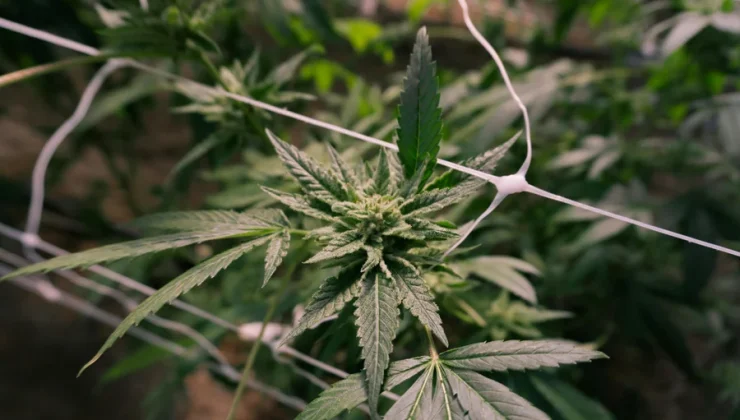
For cannabis cultivators seeking healthier plants, higher yields, and better use of grow space, Low Stress Training (LST) has become a core cultivation technique. Unlike stress-inducing methods like topping or super-cropping, LST gently shapes plants to improve light penetration, airflow, and flower production without causing significant harm. This low-impact approach is especially popular among indoor growers and those managing limited vertical space.
Understanding what low-stress training is and why it’s needed is essential for both novice and experienced growers looking to maximize the potential of their cannabis plants.
What Is Low Stress Training (LST)?
Low Stress Training is a cultivation method that involves gently bending and securing branches and stems of cannabis plants to manipulate their growth pattern. Rather than letting plants grow straight up in a “Christmas-tree” shape, growers use soft ties, wires, clips, or stakes to create a flu flatter, more horizontal canopy.
The main goal of LST is to even out light exposure across all parts of the plant, allowing lower bud sites to receive as much light as the top of the plant. By encouraging plants to grow sideways rather than only vertically, growers can increase the number of bud sites, boost yields, and better manage plant height.
Unlike High Stress Training (HST), methods like topping, fimming, and super cropping that intentionally cause damage, LST avoids cutting or ripping plant tissue. This minimal-damage approach reduces recovery time and keeps the plant in a growth-focused state.
Why Low Stress Training Is Important for Cannabis Cultivation
1. Optimize Light Distribution Across the Canopy
Cannabis plants naturally grow upward, creating a tall central stem where the main cola receives most of the light. This growth pattern, known as apical dominance, often leaves lower branches shaded and underdeveloped, limiting their yield potential.
By bending and training branches horizontally, LST spreads the canopy into a flatter, more even structure. This allows light to reach lower bud sites more effectively, increasing overall photosynthesis across the plant. Improved light penetration typically leads to stronger branch development, more uniform bud formation, and better use of available grow space.
This technique becomes especially valuable when working with high-quality genetics sourced from the best seed banks in the usa, where stable traits and vigorous growth respond well to structured training methods. When combined with good lighting and proper nutrition, LST helps growers maximize the genetic potential of their plants by ensuring that no productive sites are wasted due to poor light exposure.
2. Increase the Number of Bud Sites
One of the main drivers of higher yields is encouraging a plant to grow multiple main colas instead of just one central flower. By reducing apical dominance through LST, plants are stimulated to develop additional dominant branches. This means that, instead of a single large cola, many equally productive ones can form across the canopy.
These multiple bud sites can significantly increase overall flower production compared with untrained plants. Even under the same lighting and nutrient conditions, an LST-trained plant often yields more because it makes better use of the available light and space.
3. Improve Airflow and Reduce Disease Risk
Dense, upright plant structures often trap humidity and limit airflow within the canopy. Poor ventilation increases the risk of mold and mildew, especially in humid growing environments.
By training plants to grow wider and flatter, LST opens up the canopy, allowing air to circulate more freely. Better airflow helps maintain a healthier microenvironment around the plant and lowers the likelihood of disease.
4. Control Plant Height and Shape
Indoor growers often have limited vertical space, whether in tents, cabinets, or rooms with low ceilings. Without training, tall sativa cultivars can quickly outgrow their enclosure, forcing growers to adjust lights or risk stretching too close to heat sources.
Low-stress training allows cultivators to manage height without cutting or damaging plants, making it especially useful for indoor and space-limited grows. By shaping plants to suit a grow space, cultivators can improve light usage and optimize every square foot.
How Low Stress Training Works: Practical Techniques
Timing Matters
LST is most effective during the vegetative stage, typically once plants are young and stems are still flexible. Early application allows the plant plenty of time to adapt and strengthens the new growth pattern before flowering begins.
Attempting to train plants too late in the flowering stage risks increased stress and possible damage, as older stems become rigid and less adaptable.
Tools and Materials
Successful LST doesn’t require complex tools. Typical materials include:
- Soft plant ties or rubber-coated garden wires
- Plastic clips or binder clips
- Stakes or bamboo sticks
- Fabric pots with grommets for easier tie-down points
These tools help gently guide branches without cutting or tearing plant tissue, which distinguishes LST from higher-stress training techniques.
Step-by-Step Approach
- Identify Flexible Growth: Look for the main stem and side branches once the plant has several nodes.
- Bend Gradually: Gently bend the stem away from vertical growth, taking care not to snap or kink it.
- Secure Ties: Use soft ties to attach branches to anchors or stakes to maintain the new shape.
- Adjust Over Time: As the plant grows, continue adjusting the ties to gently guide new growth outward rather than upward.
Low Stress Training vs. High Stress Training
Cannabis growers often choose between LST and more aggressive techniques like topping, super cropping, or mainlining. The core difference lies in how plants respond to the training:
- Low Stress Training (LST): Involves bending and securing branches without cutting. The plant experiences minimal shock and continues to grow actively.
- High Stress Training (HST): Involves cutting or damaging plant tissue to influence growth. Techniques such as topping remove the top of the stem, forcing the plant to branch more. While effective, these methods induce more stress and require longer recovery times.
For many growers, especially those operating indoors or with autoflowering varieties that have short life cycles, LST is preferred because it avoids the recovery time associated with HST, which can delay growth and flowering.
When LST Is Especially Beneficial
Smaller Grow Spaces
Indoor growers with limited height benefit the most from LST. By training plants to spread horizontally, growers can fit taller sativa strains or large indica hybrids into confined spaces without sacrificing yield.
Maximizing Light Usage
Whether using LEDs, HPS, or natural sunlight, the more evenly the light is distributed, the better plants can photosynthesize. A flat, even canopy ensures that lower leaves and bud sites are not shaded by taller growth, resulting in a more efficient and productive use of light.
Reducing Stress Without Slowing Growth
HST can cause a temporary slowdown in growth as plants repair damaged tissue. LST, by avoiding injury, keeps photosynthesis and growth rates high while still achieving the benefits of shape control and canopy optimization.
Conclusion: Why Low Stress Training Matters
Low-stress training is a fundamental technique in modern cannabis cultivation because it empowers growers to take control of plant structure and performance without subjecting plants to undue harm. By gently bending and securing stems, cultivators can spread branches outward, break apical dominance, and encourage more uniform growth that maximizes light exposure, airflow, and bud production.
Whether you’re a beginner testing your first grow or an experienced cultivator seeking higher yields, incorporating LST into your cultivation strategy can produce healthier plants, larger harvests, and better control over plant height and shape. Its gentler approach compared to high-stress methods makes it especially valuable for growers working with autos, limited space, or minimal recovery time. By understanding what low-stress training is and why it’s needed, growers can optimize their crop’s genetic potential and improve the quality and quantity of their cannabis harvests.