
The Role of Air Balancing in Heating and Cooling Comfort
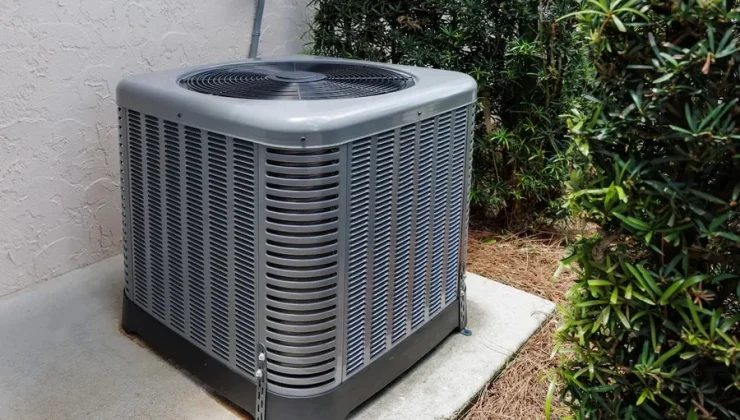
Achieving consistent comfort in indoor environments goes far beyond simply installing heating and cooling equipment. While furnaces, air conditioners, and heat pumps move air into spaces, the distribution of that air determines whether rooms feel too warm, too cold, or just right. Uneven temperatures, drafty areas, and fluctuating humidity levels often stem from imbalanced airflow rather than faulty machinery. We will explore how air balancing plays a central role in delivering comfort, ensuring systems work efficiently, and maintaining healthy indoor environments. Understanding air balancing helps homeowners and facility managers recognize why comfort issues persist even when mechanical components appear to function normally.
How Air Balancing Affects Comfort and System Performance
- Uniform Temperature Distribution Across Spaces
When an HVAC system is not balanced, some rooms may receive too much conditioned air while others receive too little. This results in hot and cold spots that make occupants uncomfortable and may lead to overuse of thermostats as people attempt to compensate. Air balancing, as implemented by E.C. Waters Air Conditioning & Heat, involves adjusting dampers, registers, and ductwork to ensure that supply and return airflow rates align with the design requirements of each zone. Proper distribution ensures that every space maintains the desired temperature without unnecessary system cycling. Additionally, balanced airflow prevents short cycling, in which the system rapidly turns on and off, leading to uneven heating and cooling and increased wear on equipment. By creating a more consistent environment, air balancing enhances overall comfort and reduces energy waste.
- Improved Energy Efficiency and Lower Operating Costs
Balanced airflow directly impacts how hard a heating or cooling system has to work to reach and maintain set temperatures. When air is unevenly distributed, the system must run longer and more frequently to meet the thermostat setting, increasing energy consumption. Through effective air balancing, airflow adjustments ensure that conditioned air reaches all areas as intended, reducing the workload on HVAC components. This results in lower energy bills and extends the system’s lifespan by reducing stress on compressors and blowers. Balanced systems allow homeowners to achieve desired comfort levels without overcooling or overheating, which also helps in maintaining stable humidity levels. These improvements contribute to more predictable operating costs and less frequent maintenance needs.
- Enhanced Indoor Air Quality Through Adequate Ventilation
Air balancing plays a critical role in ventilation by ensuring that fresh air is properly circulated while stale air is effectively removed. Without balance, some areas may become stagnant, accumulating pollutants, allergens, and excess moisture. Properly balanced systems facilitate consistent airflow patterns that support the removal of indoor contaminants and reduce the risk of mold and mildew growth. Balanced ventilation also helps maintain appropriate pressure relationships between spaces, preventing unwanted infiltration of outdoor pollutants and moisture. These airflow adjustments improve occupant health and comfort by delivering cleaner air throughout the environment. In environments where occupants spend extended periods indoors, such as schools or offices, maintaining good air quality through balanced airflow becomes even more essential.
- Optimized Performance of Heating and Cooling Equipment
Air balancing also influences how well individual HVAC components perform. When airflow is restricted or uneven, certain parts of the system, such as coils and heat exchangers, may not receive sufficient airflow, reducing heat transfer efficiency. In cooling mode, inadequate airflow across coils can cause freezing, while in heating mode, it may lead to overheating of components. These conditions increase wear and increase the likelihood of system faults. By ensuring that the appropriate amount of air flows through each part of the system, balancing helps maintain ideal operating conditions for heat exchange and distribution. The result is equipment that functions more reliably, with fewer performance fluctuations and improved responsiveness to thermostat adjustments.
- Comfort Zoning and Custom Airflow Management
In many modern buildings, occupants have differing comfort needs based on room usage, orientation, and occupancy patterns. Air balancing supports customized zoning by allowing adjustments that match airflow delivery to the specific needs of each area. For example, south-facing rooms that receive more solar heat gain may require increased airflow for cooling, while interior rooms may require less. Balancing strategies can include adjusting duct dampers, register positions, and, where applicable, integrating zone control systems that direct conditioned air where it is needed most. This level of control enhances occupant satisfaction by reducing the need for manual overrides of the thermostat. Zoning through proper balancing also reduces energy waste by limiting excessive conditioning in areas that do not require it. When airflow matches the actual needs of spaces, comfort becomes a function of intelligent distribution rather than brute force heating or cooling.
Air balancing is a fundamental yet often overlooked aspect of achieving indoor comfort in heating and cooling. By ensuring consistent temperature distribution, improving energy efficiency, enhancing indoor air quality, optimizing equipment performance, and enabling tailored airflow management, balanced systems deliver comfortable, cost-effective environments. Recognizing the importance of balanced airflow helps in understanding why comfort issues persist and what steps can be taken to address them. When airflow matches design intentions and occupant needs, heating and cooling systems perform more effectively, creating healthier, more comfortable indoor spaces for everyone.