
From Classic to Contemporary: A Style Guide Through Furniture Collections
People like to talk about interior design styles as if they’re totally separate—classic, transitional, modern. Each one apparently has its own set of rules. But walk into any interesting home today, and you’ll see that real life doesn’t work like that. The best spaces mix things up. They pull from different styles, combining old and new, and the result feels layered, personal, and like it could last forever.
Getting familiar with design “language” helps you start building a home that actually fits you—your taste, the way you live, all of it. Our collections are a great way to see this in action. Their furniture brings together classic charm, the middle ground of transitional style, and a dash of modern edge. Put them together, and you get a space where everything works together, without losing that sense of individuality.
Defining the Styles: Classic, Transitional, and Modern
Classic style is all about tradition and real craftsmanship. You’ll see those clean, balanced shapes and rich materials—think wood, leather, and those perfectly tailored sofas or chairs. There’s a sense of order and elegance, inspired by old-school European design. It doesn’t chase trends. Instead, classic style endures because it values lasting beauty and harmony.
The transitional style sits right in the middle. It mixes the cozy, familiar vibe of traditional design with the crisp lines and simplicity of modern looks. The result? Spaces that feel soft, relaxed, and super flexible. If you want something timeless but don’t want your home to feel stuffy, transitional style has your back.
Modern style, and all the contemporary takes on it, is about keeping things simple and functional. You’ll notice clean lines, lots of open space, and a carefully chosen color palette. Materials like metal, glass, and stone appear often, along with furniture that feels more like art—sculptural, striking, and never overcrowded. Modern spaces feel deliberate and uncluttered, so every piece stands out.
Knowing the differences between these styles makes it way easier to pick the right look for your home—or even better, to blend them together in a way that feels fresh and personal.
How to Mix Styles Without Clashing
Blending different design styles is all about finding the right balance. You don’t want a room that feels chaotic, but you also don’t want everything looking too matchy-matchy. The trick is to pick one main style as your anchor, then bring in touches from other styles to add personality. Say you’ve got a modern living room—try adding a classic armchair or some warm wood to soften things up. Or if your space leans traditional, swap in some sleek lamps or minimalist tables to keep it fresh.
Color ties everything together. Sticking to a palette of soft greys, warm beiges, creams, or earthy tones gives the room a sense of unity. That way, all your different pieces can hang out together without clashing.
Pay attention to the size and shape of your furniture, too. If you pair a bold, modern sofa with a vintage rug, make sure neither one overwhelms the other. Every piece should feel like it belongs there, not like it got thrown in at the last minute.
And don’t forget about repetition. If you echo a certain material, finish, or shape throughout the room—maybe it’s brass hardware, walnut wood, or curved lines—it helps everything feel connected. That’s what really pulls a mixed-style room together.
Key Furniture Pieces That Define Each Aesthetic
It is true that some furniture pieces can represent and, at the same time, be design styles entirely different from the rest of the house. Classic-esque sofas and chairs, covered in elegant fabrics and adorned with aesthetically pleasing details, give the living room character and are very comfortable to sit on. These kinds of sofas and chairs are living room furniture that you can easily accessorize with contemporary items to achieve a perfectly balanced look.
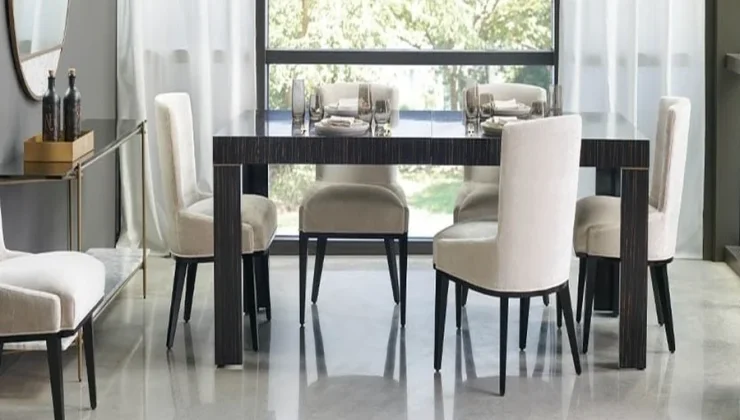
Transitional dining tables and sideboards usually have a simple design that is made softer by their warm finishes. These pieces are highly versatile, suitable for modern open-plan areas and traditional dining rooms. The modern ones are being talked about,t and they are, of course, the statement pieces, which could be sculptural coffee tables, minimalist consoles, or sleek lighting, introducing contrast and visual interest. When paired with classic or transitional furniture, they raise the overall standard of the space without overshadowing it.
Selecting stylish, timeless items rather than those tied to a specific trend is the key to the beauty of mixing styles.
Designing a Home That Evolves with You
It is a home that can be easily modified if it is well planned. The shift in how people live implies that the inner part of the house will change, without necessitating a total redesign. The mix of old and modern styles is the cause of this flexibility, thus turning the spaces into places of gradual evolution over time.
Homeowners who purchase multifunctional furniture and carefully consider its design can create interiors that are both contemporary and classic. It becomes less about fashion and more about harmony, the quality of the materials, and the owner’s individual expression.
Mobilart’s Approach to Blended Design
Mobilart’s furniture collections reflect the fact that different design styles always intersect, and we understand them very well. Instead of strict categorization, we offer furniture that flows seamlessly between classic, transitional, and contemporary interiors.
We present a collection that still emphasizes quality craftsmanship, high-quality materials, and timeless models—so the pieces can be used across different tastes and areas. A sofa, for instance, chosen today can still be just as relevant in years to come if styled differently as trends and personal preferences change.
Our showroom displays give great inspiration for mixing styles. The carefully styled settings show how the classic products can be combined with modern ones, or how contemporary products become more inviting when paired with traditional textures. These real-world illustrations let the customers see how different styles can be blended in their own houses. Our design expertise is just as important. With personalized assistance, clients are prepared to select furniture that aligns with their style and needs, thereby ensuring that elegance is never at the expense of comfort or durability.
Conclusion
Interior design styles from classic elegance to contemporary simplicity are not meant to be confined to their respective parameters. If combined in a savvy manner, they form rich, layered areas that seem to be planned and have been used by people. Comprehending the tenets of each aesthetic and mastering the art of blending them empowers homeowners to design boldly.