
Couch Buying Guide: Materials, Sizes, and Maintenance Tips
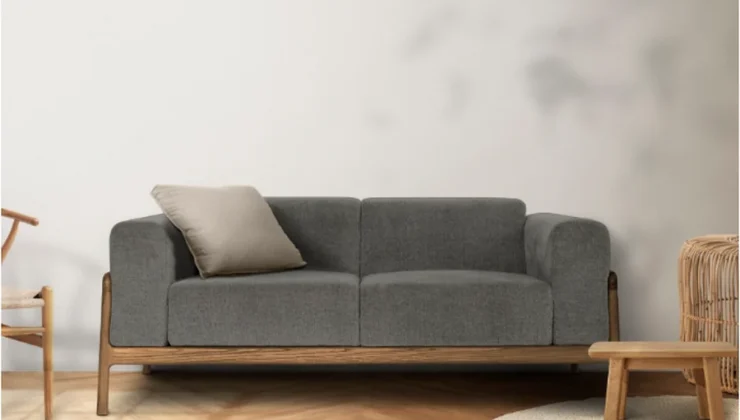
A couch is often the centrepiece of a living room, providing comfort, style, and functionality. Choosing the right one requires careful consideration of materials, size, design, and maintenance. Whether you’re furnishing a new home or replacing an old sofa, understanding these factors ensures that your couch is both practical and visually appealing.
A well-chosen couch not only enhances the aesthetics of a room but also supports daily activities, from relaxing and reading to entertaining guests.
Choosing the Right Material
Couch materials vary widely, affecting comfort, durability, and appearance. Fabric sofas are popular for their softness and range of colours and patterns. They are generally comfortable for lounging but may require more frequent cleaning, especially if you have pets or children.
Leather couches offer durability, easy cleaning, and a classic look. Over time, leather develops a natural patina, adding character to your living space. Faux leather is a budget-friendly alternative that still provides a sleek finish but may not age as gracefully as genuine leather.
Other materials, such as microfibre or velvet, combine comfort and style. Microfibre is resistant to stains and easy to maintain, while velvet provides a luxurious feel and rich texture, though it may require more care to prevent wear.
Sizing Your Couch Correctly
Selecting the right size is crucial for both comfort and space utilisation. Measure your living room carefully before purchasing, considering the length, depth, and height of the couch. A sofa that is too large can overwhelm a room, while one that is too small may feel out of place.
Consider seating capacity based on your needs. A standard three-seater is versatile for families and gatherings, while sectional sofas offer flexibility and additional seating for larger spaces. Pay attention to the arrangement of other furniture to ensure smooth movement around the room.
Design and Style Considerations
Couch design should complement your existing décor. Minimalist or modern designs with clean lines suit contemporary interiors, while traditional styles with rolled arms or tufted upholstery blend well with classic settings. Colour, texture, and leg style all influence the overall look and feel of the room.
For multifunctional spaces, consider features such as reclining mechanisms, sofa beds, or storage compartments. These practical elements can enhance comfort and functionality without compromising style.
Maintenance Tips for Longevity
Proper care extends the lifespan of your couch. For fabric sofas, regular vacuuming prevents dust and dirt buildup, while spot cleaning helps manage spills. Using slipcovers or throws can protect upholstery and make cleaning easier.
Leather couches should be wiped with a damp cloth and conditioned periodically to maintain suppleness. Avoid direct sunlight and heat sources, which can cause fading or cracking. Microfibre and velvet require gentle brushing or vacuuming to keep fibres in good condition.
Rotating cushions and pillows regularly ensures even wear, maintaining comfort and appearance over time.
Budget and Investment Considerations
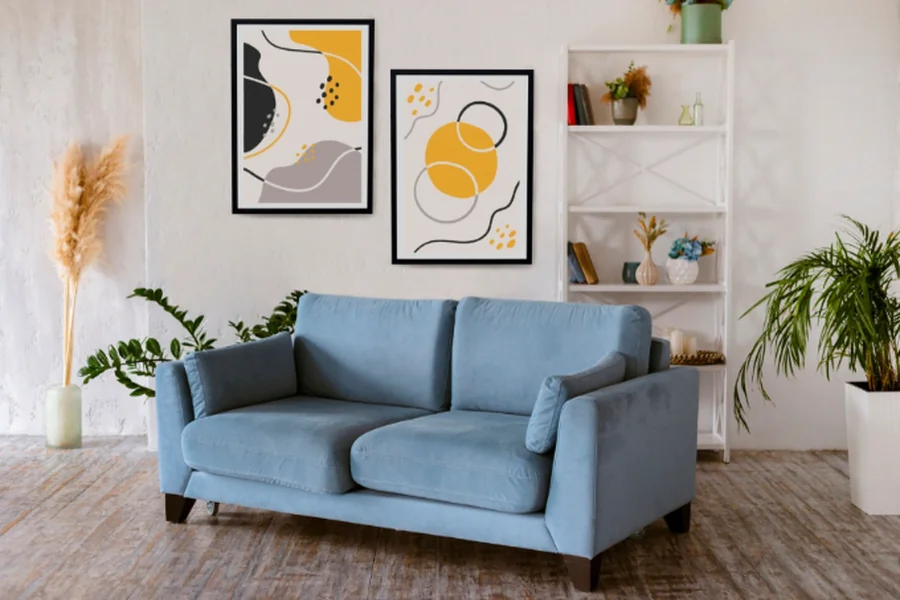
While price is important, investing in quality materials and construction pays off in durability and comfort. Solid frames, high-density foam cushions, and reinforced stitching contribute to a longer-lasting couch. Consider the balance between initial cost and expected lifespan, choosing a piece that meets both your aesthetic and functional needs.
Conclusion
Selecting the right couch involves evaluating materials, size, design, and maintenance requirements. A well-chosen couch enhances comfort, complements your décor, and provides a practical space for daily living and socialising.
By understanding different upholstery options, measuring your space accurately, and following proper care routines, you can enjoy a stylish and durable couch that remains a focal point of your home for years to come.
FAQs
What is the most durable couch material?
Leather and high-quality microfibre are among the most durable materials, offering longevity and ease of maintenance.
How do I choose the right size couch for my living room?
Measure your space carefully, consider seating needs, and ensure the couch complements other furniture without overcrowding the room.
Can I use a fabric couch if I have pets?
Yes, but opt for tightly woven fabrics or consider slipcovers to protect against scratches and fur.
How often should I clean and maintain my couch?
Vacuum or dust weekly, spot-clean spills immediately, and perform deep cleaning or conditioning periodically, depending on the material.