

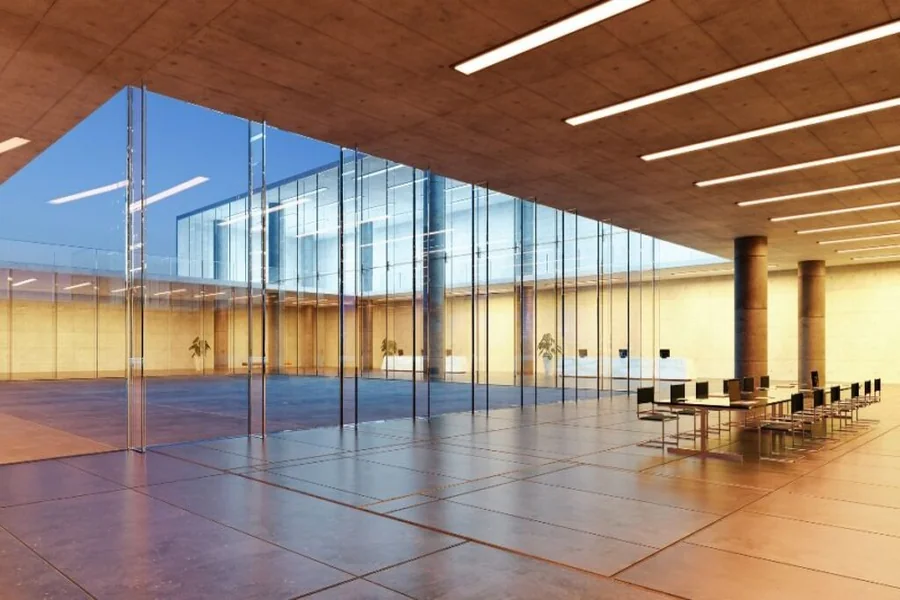
Commercial property owners face a constant balancing act. They must create welcoming environments while managing budgets that stretch across years or decades. One decision rises above most others in importance: surface selection. The floors, countertops, and fixtures chosen today will determine maintenance costs, operational disruptions, and tenant satisfaction for years to come.
The Reality of High-Traffic Environments
Commercial spaces endure punishment that residential properties never experience. A shopping center entrance might see 10,000 footsteps daily. A restaurant bathroom serves hundreds of guests each week. Hotel lobbies operate around the clock, every single day.
This volume creates wear patterns impossible to ignore. Soft materials degrade quickly. Cheap finishes scratch and stain within months. What looked acceptable during installation becomes an eyesore that reflects poorly on the business.
Consider the math. A retail store open 12 hours daily accumulates over 4,300 hours of foot traffic annually. Multiply that by even modest customer counts, and surfaces face extraordinary stress. Only materials engineered for commercial use can withstand this relentless demand.
The consequences of choosing poorly extend beyond aesthetics. Damaged floors create trip hazards. Worn countertops harbor bacteria. Deteriorating surfaces signal neglect to customers and tenants alike. The initial savings from budget materials evaporate under repair bills and lost business.
Understanding Maintenance Cycles
Every surface requires upkeep. The question becomes how often and at what cost. Durable commercial surfaces minimize both factors.
Routine maintenance for quality materials typically involves simple cleaning. Daily mopping, periodic deep cleaning, and occasional resealing keep most commercial-grade surfaces performing well. These tasks fit easily into standard janitorial schedules.
Inferior surfaces demand more. Frequent buffing restores shine temporarily. Grout lines require constant attention. Scratches need filling. Each intervention costs money and disrupts operations.
The maintenance cycle also affects scheduling flexibility. Durable surfaces tolerate delayed upkeep without catastrophic consequences. If a deep cleaning gets postponed due to a busy season, the floor survives. Fragile surfaces show every missed maintenance window immediately.
Property managers increasingly track total cost of ownership rather than purchase price alone. This calculation includes cleaning supplies, labor hours, equipment wear, and replacement timelines. Durable surfaces consistently win this comparison despite higher upfront costs.
Long-Term Planning and Capital Preservation
Commercial real estate operates on extended timelines. Lease agreements span five, ten, or twenty years. Building owners think in decades. This perspective transforms how surfaces get evaluated.
A floor installed today might need to perform acceptably through multiple tenant turnovers. Each transition brings new requirements, different aesthetics, and fresh scrutiny. Surfaces must adapt or get replaced.
Replacement carries enormous hidden costs. Beyond material and labor expenses, businesses face closure periods. Revenue stops while work proceeds. Customers visit competitors. Employees lose hours. The disruption ripples outward.
Smart property owners calculate replacement cycles during initial planning. A surface lasting 25 years versus one lasting 10 years represents fundamentally different investments. The cheaper option might cost more than double over the building’s lifetime.
Durability also preserves options. Quality surfaces can often be refinished rather than replaced. Companies specializing in Commercial Refinishing in Waco and similar markets help property owners extend surface life significantly. This approach costs a fraction of full replacement while restoring appearance and function.
Industry-Specific Demands
Different commercial environments stress surfaces in unique ways. Healthcare facilities require antimicrobial properties and resistance to harsh cleaning chemicals. Restaurants need surfaces that handle grease, acids, and constant sanitation. Retail spaces prioritize appearance under bright lighting.
Each industry has learned through experience which materials perform. Hospitals gravitate toward seamless flooring that eliminates bacterial hiding spots. Commercial kitchens install stainless steel and quarry tile. Banks choose marble and granite that project stability.
These choices reflect accumulated wisdom. Early failures taught painful lessons. Modern specifications exist because previous generations discovered what works and what fails under real conditions.
The Sustainability Factor
Durability now carries environmental implications. Surfaces requiring frequent replacement consume more raw materials over time. Manufacturing, shipping, and installation all generate emissions. Disposal of worn materials adds to landfill burden.
Sustainable building certifications increasingly reward longevity. LEED and similar programs recognize that durable materials reduce environmental impact across a building’s lifecycle. This consideration influences both new construction and renovation decisions.
Tenants also respond to sustainability messaging. Businesses seeking commercial space often prioritize environmentally responsible buildings. Durable surfaces support these marketing efforts with tangible evidence of long-term thinking.
Making the Investment Case
Convincing stakeholders to spend more upfront requires clear communication. The numbers must tell the story. Maintenance projections, replacement timelines, and disruption costs all factor into comprehensive analysis.
Successful property managers document everything. They track cleaning expenses, repair frequency, and tenant complaints. This data builds the case for quality investments in future projects.
The commercial real estate industry has largely absorbed these lessons. New construction overwhelmingly specifies durable surfaces. The remaining challenge lies in existing buildings where outdated materials still cause problems.
Renovation projects offer opportunities to correct past mistakes. Strategic surface upgrades in high-traffic areas deliver immediate returns. Lobbies, restrooms, and common areas benefit most from durability improvements.
Conclusion
Commercial spaces prioritize durable surfaces because the alternative costs too much. Traffic volumes, maintenance demands, and long-term planning all point toward the same conclusion. Quality materials purchased once outperform cheap materials purchased repeatedly.
The calculation seems simple in retrospect. Yet many property owners still learn through expensive experience. Those who understand durability’s value from the start build better buildings and stronger businesses.