
Understanding the Modern Cannabis Ecosystem: From Genetics to Consumer Access
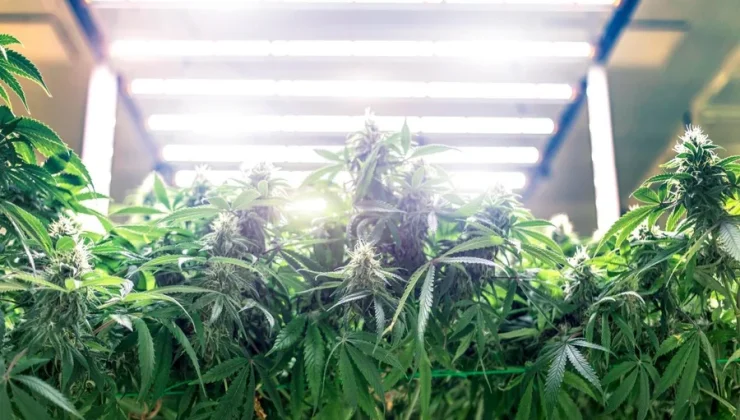
The cannabis industry is often discussed in terms of growth, regulation, and shifting public perception. While these elements are important, they only represent part of a much broader system. Behind every product, purchase, and policy change lies a layered ecosystem shaped by genetics, distribution models, and evolving access points.
For those looking to understand where the industry is heading, it is not enough to focus on the surface. The real structure of the cannabis market is defined by how these underlying components interact.
The Foundation: Genetics as the Starting Point
At its core, cannabis is an agricultural product, and like any agricultural system, it begins with genetics.
The characteristics of a plant, its potency, growth pattern, resilience, and overall profile, are all determined at this initial stage. Long before a product reaches a consumer, its defining traits have already been established.
This makes genetics one of the most influential, yet often overlooked, elements of the entire ecosystem.
As the industry matures, there is a growing awareness that consistency and quality depend heavily on genetic sourcing. Variations at this stage can influence not only cultivation outcomes but also the reliability of the final product.
The Shift Toward Informed Consumers
In earlier stages of market development, consumers tended to rely on limited information. Product selection was often based on availability rather than understanding.
That dynamic is changing.
Today’s consumers are more informed and more selective. They seek transparency around sourcing, cultivation methods, and product characteristics. This shift has increased demand for reliable information and has elevated the importance of traceability within the industry.
As a result, the pathways between genetics and end users have become more visible.
Access Points and the Role of Intermediaries

Between cultivation and consumption, a range of intermediaries shape how products and information reach users.
Retailers, distributors, content platforms, and marketplaces all play a role in structuring access. These layers do more than facilitate transactions, they organise information and influence decision-making. In this context, sourcing has become a key point of focus.
Consumers and cultivators alike are paying closer attention to where genetic material originates and how it is obtained. This has led to increased visibility for established seed banks, which function as central nodes within the ecosystem, connecting supply with demand while providing a degree of consistency and reliability.
Rather than operating as simple suppliers, these entities often act as curators of genetic variety, shaping what is available across different markets.
Regulation as a Defining Influence
No discussion of cannabis can ignore the role of regulation.
Legal frameworks vary significantly across regions, influencing not only what can be sold, but how products move through the system. These differences create a fragmented landscape where access, compliance, and distribution models must adapt to local conditions.
For businesses, this introduces complexity. For consumers, it introduces uncertainty. At the same time, regulation has driven innovation. Companies are developing new ways to operate within defined constraints, creating systems that balance compliance with accessibility.
Information as Infrastructure
As the market becomes more complex, information itself has become a critical form of infrastructure. Users are no longer just looking for products; they are looking for guidance. They want to understand how the system works, what their options are, and how to navigate a landscape that is not always straightforward.
This demand has led to the growth of content-driven platforms that aggregate, organise, and present information in a structured way. Whether exploring general market trends or more specific resources such as guides to the best indica seeds, these platforms reduce friction by translating complexity into clarity, making the ecosystem more accessible without oversimplifying it.
The Global Perspective
Cannabis is no longer a purely local or regional industry. It is increasingly shaped by global trends.
Different markets are developing at different speeds, influenced by cultural, legal, and economic factors. What is standard in one region may be restricted in another. This variability creates both challenges and opportunities.
According to the World Health Organization, the evolving understanding of cannabis, particularly in medical and regulatory contexts, continues to influence how countries approach policy and access. This ongoing shift suggests that the global cannabis ecosystem will remain dynamic for the foreseeable future.
From Fragmentation to Structure
One of the defining characteristics of the cannabis industry today is its fragmentation. Different jurisdictions, supply chains, and access models create a landscape that can feel inconsistent. However, there are signs of increasing structure.
Standardisation efforts, improved transparency, and more established distribution channels are beginning to bring greater coherence to the system. This does not eliminate complexity, but it makes it more navigable.
What This Means for the Future
Understanding the cannabis ecosystem requires looking beyond individual products or transactions.
It involves recognising the connections between genetics, regulation, distribution, and information. Each layer contributes to how the industry functions as a whole. For consumers, this means more informed choices and greater awareness of what they are accessing. For businesses, it means operating within a system that rewards clarity, consistency, and adaptability.
The cannabis industry is often described as emerging, but in many ways, it is already established, just not fully aligned.
Its complexity is not a temporary phase, but a defining feature. Those who engage with it effectively are not necessarily the ones who simplify it, but the ones who understand its structure and navigate it with precision.
From genetics to access, each layer plays a role in shaping the experience. And as the ecosystem continues to evolve, the ability to see how those layers connect will remain one of the most valuable forms of insight.