

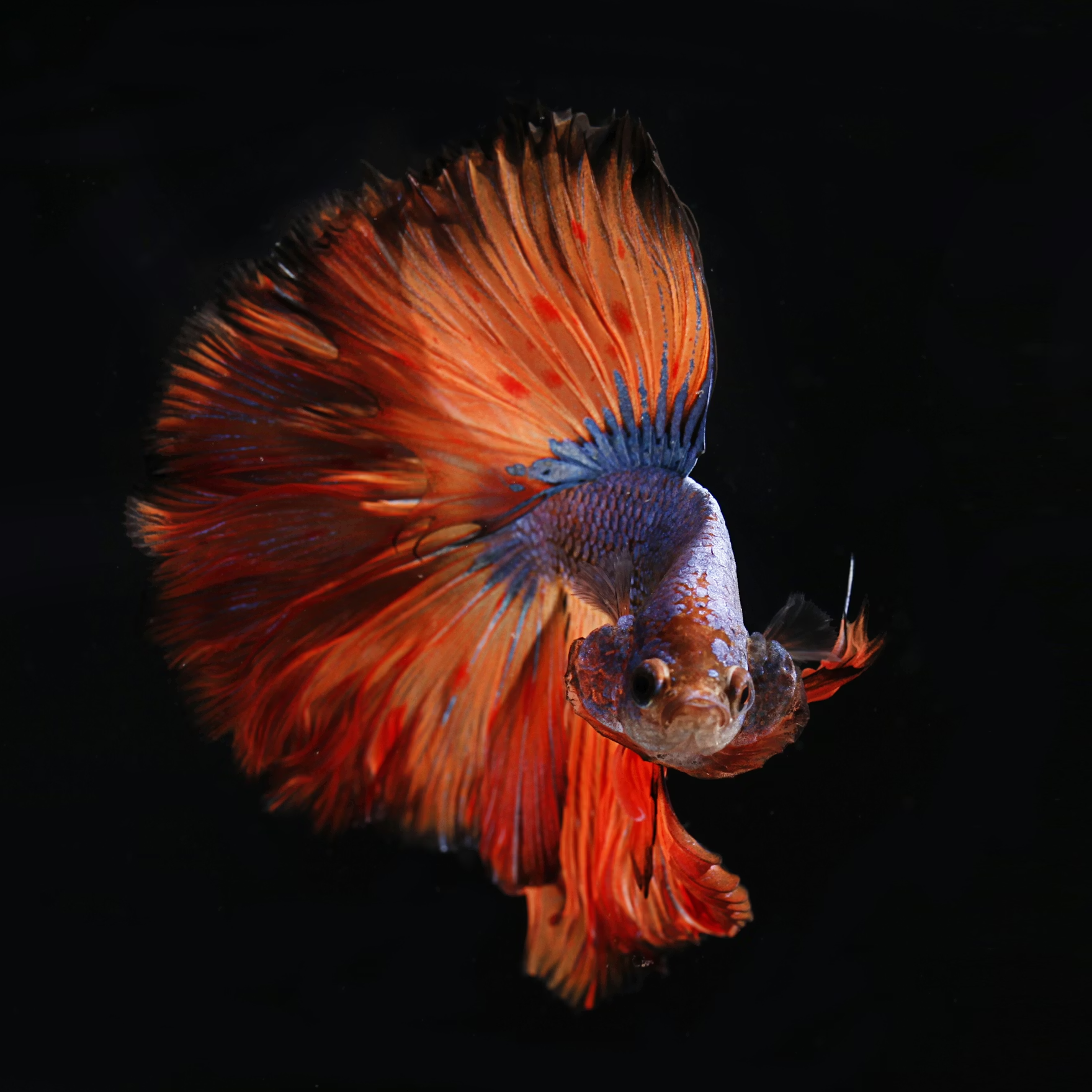
Betta fish have long captured the attention of aquarium keepers through their striking appearance and distinctive character. Among the many forms of Betta splendens, the half-moon variety remains one of the most admired for its graceful fins and vivid coloration. The half moon fish is especially prized for its dramatic tail spread and balanced proportions, which enhance its visual appeal in any aquarium. This variety is recognized by its broad tail fin, which opens into a smooth 180-degree arc, creating the appearance of a half moon when fully spread. The shape gives the fish a refined and elegant presence, making it a favorite among hobbyists and casual fish keepers alike. Beyond its appearance, the half-moon Betta offers a fascinating combination of beauty, instinctive behavior, and biological uniqueness that continues to draw interest from those who appreciate aquatic life.
Physical Features and Appearance
The half-moon Betta is most widely known for its dramatic fin structure, particularly the caudal fin, which spreads into a near-perfect semicircle during display. This remarkable tail shape is complemented by long dorsal and anal fins that flow smoothly through the water, giving the fish a majestic and almost ornamental appearance. Its colors can range from deep blues and rich reds to white, purple, black, and multicolored marbled patterns, with some fish displaying metallic scales that reflect light beautifully. Male Bettas usually possess longer fins and stronger, more vivid colors, whereas females tend to have shorter fins and a softer appearance, though they still retain the same elegant body structure. Most half-moon Bettas grow to around 6 to 7 centimeters in length, though their extended fins often make them appear much larger.
Behavior and Temperament
The behavior of Betta splendens is one of the most intriguing aspects of the species. Male half-moon Bettas are highly territorial and are known for their defensive nature, particularly when another male enters their space. They often respond by flaring their fins, widening their gill covers, and adopting a display posture intended to intimidate rivals. This strong territorial instinct means that male Bettas are usually best housed alone. Females are often calmer, and in suitable conditions, some keepers maintain small groups with careful monitoring and sufficient hiding spaces. A distinctive biological feature of Bettas is the labyrinth organ, which allows them to breathe atmospheric air from the surface. This adaptation enables them to survive in shallow waters where oxygen levels may be lower than those required by many other fish species.
Habitat and Daily Care
Proper care begins with creating an environment that supports both the physical comfort and natural behavior of the fish. Although Betta fish are often associated with small bowls, the half-moon Betta benefits far more from a properly sized tank with more than 10 liters of water. A larger tank offers stable water conditions and enough room for swimming, which is particularly beneficial for a long-finned variety. Plants, caves, and soft decorative elements provide resting areas and help recreate the calm freshwater habitats from which the species originates. Decorations with rough or sharp edges should be avoided, as they can damage the delicate fins. Water temperature should be maintained between 24 and 28 degrees Celsius, with slightly acidic to neutral pH levels. Regular water changes and close monitoring of tank conditions help reduce the risk of illness and support long-term health.
Feeding and Nutrition
A suitable diet is closely linked to color quality, fin health, and general well-being. Half-moon Bettas are carnivorous and thrive on protein-rich food. High-quality Betta pellets are commonly used as a daily staple, offering balanced nutrition designed for the species. This can be complemented with live or frozen foods such as bloodworms, brine shrimp, and daphnia, which encourage natural feeding behavior and support healthy growth. Feeding should be done in small portions once or twice a day, as overfeeding can lead to digestive issues and poor water quality. A carefully managed diet helps maintain vibrant colors, strong fins, and an active disposition.
Breeding and Genetic Development
Breeding half-moon Bettas offers a closer look at their remarkable instincts and inherited traits. A healthy male typically begins the breeding process by building a bubble nest at the surface of the water, made from air bubbles coated with saliva. This nest serves as a safe place for the eggs after spawning. Once introduced to a receptive female, the male engages in courtship displays that may include flaring, circling, and gentle pursuit. After spawning, the eggs are collected and placed in the bubble nest, where the male takes responsibility for guarding and caring for them. Selective breeding has led to a wide variety of colors, patterns, and tail shapes within the half-moon line. Responsible breeding practices are highly valuable in preserving desirable traits and reducing the risk of inherited deformities linked to poor genetic management.

Ethical Ownership and Conservation Awareness
The popularity of half-moon bettas in the ornamental fish trade places responsibility on breeders and owners alike. Ethical breeding methods, humane transport, and proper care standards all contribute to the welfare of the species. Responsible ownership involves more than appreciating the fish’s beauty; it includes maintaining suitable living conditions, understanding behavioral needs, and supporting healthy breeding practices. Caring for a Betta can help foster a greater appreciation for freshwater ecosystems and the importance of thoughtful pet ownership.
Conclusion
The half-moon Betta remains one of the most admired forms of Betta splendens, valued for its elegant fins, striking colors, and fascinating behavior. Its appeal extends far beyond appearance, offering fish keepers the opportunity to observe a species with remarkable instincts and biological adaptations. With attentive care, suitable nutrition, and responsible ownership, this extraordinary fish can thrive and continue to captivate those who keep it.