
Tracing Family Names: How Americans Discover Their WWII Heritage in Normandy
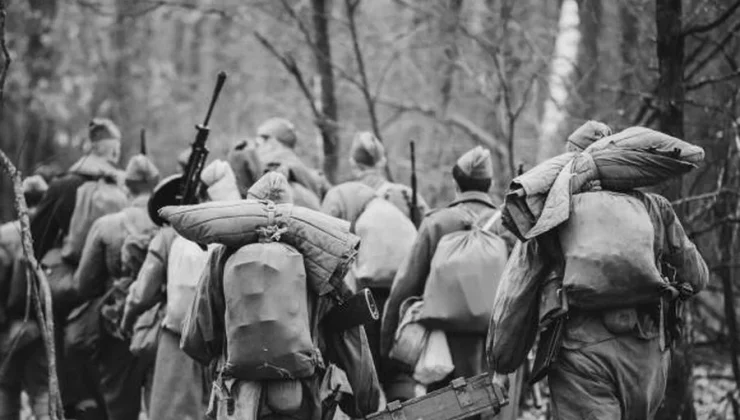
For many Americans, World War II history starts as something distant, a black-and-white photograph, a folded letter, or a name mentioned briefly at family gatherings. But as interest in genealogy and military records grows, more families are discovering that their personal stories are deeply connected to Normandy.
Normandy is not just a historical destination. It is a place where family history, sacrifice, and national memory intersect. For descendants of American servicemen, visiting Normandy often transforms vague family legends into documented, emotional truth.
Why Normandy Matters in American WWII History
The Normandy landings were the largest amphibious invasion in history. U.S. forces played a central role at Omaha Beach and Utah Beach, and in airborne operations carried out by the 82nd and 101st Airborne Divisions.
Thousands of American soldiers, medics, engineers, and pilots passed through Normandy. Many were wounded, killed, or permanently changed by what they experienced. For families today, Normandy represents the physical setting where ancestors served, fought, and sometimes never returned home.
How Americans Begin Tracing WWII Family Names
The journey often begins with fragmented information:
- A service number on discharge papers
- A unit name without context
- A medal with no explanation
Families commonly rely on:
- National Archives military service records
- Draft registration cards
- Unit histories and after-action reports
- Personal letters, journals, and photographs
Understanding unit assignments is critical. A single regiment or company can reveal where a soldier landed, how long they stayed in Normandy, and what engagements they faced.
Connecting Military Records to Real Normandy Locations
Military records provide dates and unit movements, but they rarely explain geography in human terms. Normandy’s terrain, beaches, hedgerows, villages, and rivers shaped every military decision.
By aligning service records with known troop movements, families can identify:
- Exact landing beaches or drop zones
- Villages liberated by specific units
- Field hospitals and command posts
This process turns abstract records into real places, allowing descendants to visualize where history unfolded.
Walking the Ground: Why Visiting Normandy Changes Everything
Reading about Normandy and standing there are two very different experiences. Visitors often describe a powerful emotional shift when they walk the same ground their relatives once crossed under fire.
Historically guided experiences, including specialized 101st Airborne Tours, help families connect timelines, unit movements, and battlefield locations in ways self-guided visits rarely do. These tours focus on historical accuracy, firsthand accounts, and site-specific context rather than surface-level sightseeing.
Cemeteries, Memorials, and Name-Based Discoveries
The Normandy American Cemetery at Colleville-sur-Mer is one of the most significant places for family discovery. Rows of white crosses and Stars of David represent more than 9,000 American lives.
Families often:
- Search for surnames that match their genealogy
- Confirm burial locations or memorial listings
- Learn why some soldiers are buried overseas while others were repatriated
Local archivists and historians also assist families in verifying service details, unit actions, and casualty records tied to specific names.
Rediscovering Forgotten or Untold Family Stories
Normandy visits frequently uncover stories that were never shared:
- Combat experiences, soldiers refused to discuss
- Injuries or commendations unknown to descendants
- Classified or sensitive missions are omitted from family narratives
These discoveries often reshape how families understand their ancestors, not just as soldiers, but as individuals navigating fear, duty, and survival.
From Names on Paper to Living History
Tracing family names connected to Normandy turns WWII history into something deeply human. It bridges generations and transforms service records into lived experience.
For many Americans, discovering their WWII heritage in Normandy is not about looking backward; it is about honoring sacrifice, understanding identity, and keeping history alive through informed remembrance—an approach that also reflects thoughtful cultural and historical perspectives shared on alexousa104.