

Understanding Vascular Dementia
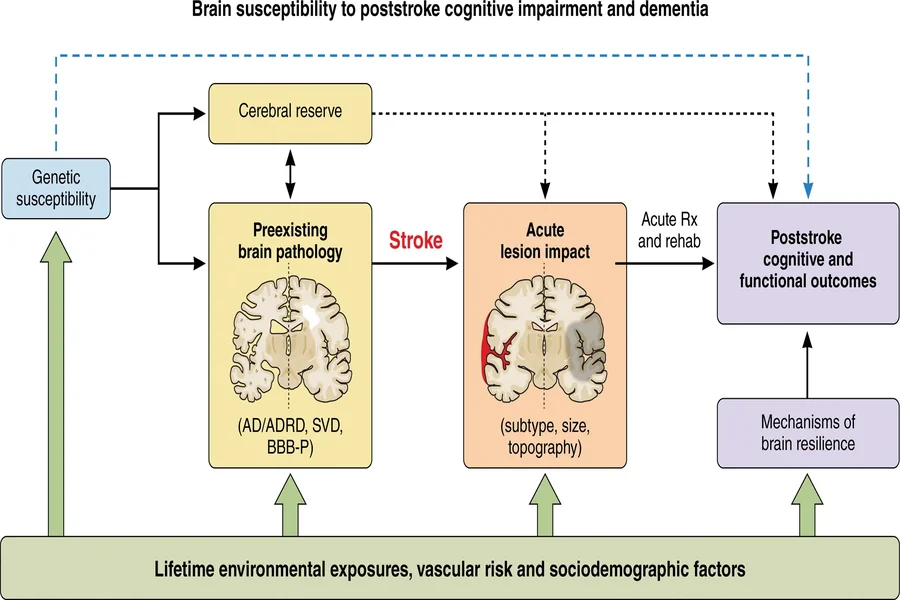
When people think of dementia, the first thing that comes to mind is Alzheimer’s disease. However, this is only one of several types of dementia. Vascular dementia is the second most common kind today and is the result of impaired blood flow to the brain. Someone who has had a stroke may have vascular dementia.
How Vascular Dementia Affects the Brain
Brain cells don’t receive the necessary oxygen when there is an interruption in the blood supply to the brain. Furthermore, the brain does not receive nutrients, and the cortex sustains damage. The cortex is responsible for things such as memory, learning, and language. Small strokes can lead to significant damage over time, causing the individual to struggle with confusion, memory loss, and other dementia symptoms.
Progression and Stages
There are several stages of vascular dementia. A person may struggle with memory and reasoning, only to regain stability. This process repeats, and they further decline. Although the seven stages are distinct, each person is different, and the amount of time they spend in a particular stage also differs.
The Seven Stages of Vascular Dementia
Stage 1: No Noticeable Symptoms
With early-stage dementia, an individual has no concerning symptoms. They won’t realize that they’re struggling with cognitive decline. However, changes in their brain are already present.
Stage 2: Mild Forgetfulness
As the disease progresses, the person may become more forgetful. Often, these memory lapses are viewed as a regular part of the aging process. The individual and their loved ones may not realize that this is not normal forgetfulness.
Stage 3: Noticeable Memory and Language Issues
During the third stage of vascular dementia, the individual may struggle to retrieve certain words. They frequently misplace objects due to issues with their short-term memory. These individuals may become depressed or experience other changes in their mood. A person may remain in this stage for anywhere from two to seven years.
Stage 4: Clearer Signs and Diagnosis
When a person enters the fourth stage of vascular dementia, their symptoms become more apparent. They typically remain in this stage for two years and are often diagnosed with vascular dementia during this period. They often struggle with remembering conversations they just had and recent events. However, they still recognize their loved ones. Sequential tasks become more challenging, and this individual may find it difficult to participate in social situations.
Stage 5: Severe Cognitive Decline
Severe cognitive decline is seen in the fifth stage of vascular dementia. Daily life becomes increasingly challenging for the individual, and they require assistance. They cannot remember important information, such as their personal history, and their numerical abilities and judgment skills severely decline. They are at high risk of falling victim to a scam. People often remain in this stage for approximately 18 months.
Stage 6: Personality Changes and Hallucinations
When a person reaches the sixth stage of vascular dementia, they become agitated easily and experience hallucinations as the day progresses. Dramatic personality changes are observed, and they often can’t recognize close family members. They know they have seen them before, but can’t remember where. Most people stay in this stage for approximately two and a half years.
Stage 7: Loss of Abilities
When a person reaches the seventh stage of vascular dementia, they have trouble speaking, walking, and sitting. These individuals need care around the clock, and most people only live approximately two and a half years once their dementia is this advanced.
The Importance of Care
Watching a loved one go through these stages is heartbreaking. Sadly, there is no cure for vascular dementia. However, an individual’s quality of life can improve with the proper care, so the family should begin searching for this care as soon as they see signs of cognitive deterioration. Prompt action is essential to give them the best life possible. For more guidance and insights on taking effective steps, visit maryelee24.