Solo Dining: How to Enjoy Restaurants Alone Without Feeling Awkward
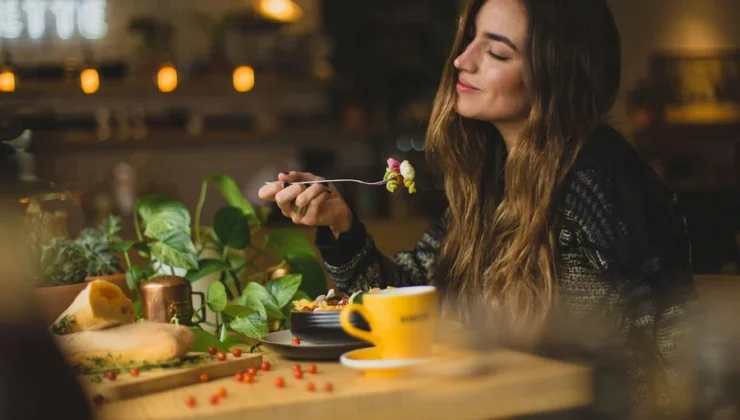
You’re traveling for work, or your friends canceled, or you simply want to try that new restaurant but have no one to go with. The idea of eating alone at a sit-down restaurant fills you with anxiety. You imagine everyone staring, the host pitying you, and an hour of awkward silence while you pretend to be busy on your phone. We’re comfortable doing many activities solo—shopping, exercising, even entertainment like betting online—yet dining alone still feels strangely taboo. Here’s the truth: solo dining is incredibly common, servers don’t think twice about it, and once you overcome the initial discomfort, eating alone can be surprisingly enjoyable and even preferable to group dining in certain situations.
Why Solo Dining Feels Awkward (But Isn’t)
Society conditions us to see dining as a social activity, making solo diners feel like they’re breaking unwritten rules. You worry people will think you’re lonely, friendless, or somehow deficient. In reality, other diners barely notice you—they’re focused on their own meals and conversations. Servers see solo diners constantly and consider them easier tables than large, demanding groups. The awkwardness is entirely in your head, not in anyone else’s perception.
The Unexpected Benefits
Total menu freedom: No compromising, no sharing, no “let’s just get appetizers.” Order exactly what you want without considering anyone else’s preferences or budget.
Eat at your own pace: Linger over coffee or eat quickly and leave—it’s entirely up to you. No waiting for slow eaters or being rushed by fast ones.
Actually taste your food: Without conversation competing for attention, you notice flavors, textures, and details you’d miss while talking.
Peak people-watching: Solo dining is the perfect opportunity to observe your surroundings without being rude to dinner companions.
Go anywhere, anytime: No coordinating schedules or finding restaurants that please everyone. If you want sushi at 5 PM on Tuesday, you just go.
Choosing the Right Restaurant
Start with counter seating: Sushi bars, ramen shops, and restaurants with counter service feel naturally solo-friendly. You’re facing the chef or the wall, not a room of couples.
Breakfast and lunch are easier: These meals have more solo diners and faster turnover, making them less intimidating starting points than dinner.
Avoid romantic venues initially: Skip the candlelit Italian places with couples everywhere until you’re comfortable. Start with casual, high-energy restaurants where solo diners blend in naturally.
Busy restaurants over quiet ones: A bustling restaurant makes you less noticeable and provides ambient energy. Empty restaurants amplify self-consciousness.
What to Do With Your Hands (And Mind)
Bring a book or e-reader: This is the classic solo diner move and completely acceptable. Reading between courses makes the experience feel purposeful rather than awkward.
Journal or sketch: If you’re creative, restaurants offer great people-watching and atmosphere for observation and reflection.
Use your phone strategically: It’s fine to check your phone, but avoid spending the entire meal scrolling. You’ll miss the experience and still feel awkward.
Just sit: Revolutionary concept—you can simply sit, enjoy your food, and observe your surroundings. Not every moment needs filling.
Practical Tips for Smooth Solo Dining
Make reservations: “Table for one” said confidently eliminates any awkwardness at the host stand. Many restaurants now offer bar seating reservations specifically for solo diners.
Go during off-peak hours: You won’t feel like you’re taking up a table that could seat multiple people, and service is often more attentive.
Sit at the bar: Bartenders often chat with solo diners, and you’ll be near other individuals rather than groups.
Tip well: Solo diners take up tables that could generate larger checks. Tipping 20%+ ensures servers are happy to have you.
Own it with confidence: Walk in like you do this regularly. Confidence is 90% of not feeling awkward—fake it until it becomes real.
When to Choose Solo Dining
Traveling alone and want to try local restaurants. Friends are unavailable but you’re craving a specific restaurant. You need processing time and find restaurants meditative. You want to focus entirely on an exceptional meal. You’re dining out and want to eat at your own pace without social obligations.
Wrapping Up
Solo dining is far less awkward than you imagine—the discomfort is internal, not external. Start with counter seating at casual restaurants during off-peak hours, bring a book if it helps, and own the choice confidently. After a few solo dining experiences, you’ll discover it’s not just tolerable but actually enjoyable, offering freedom and flexibility that group dining can’t match.