
Signs of Gum Disease and the Latest Treatments Available
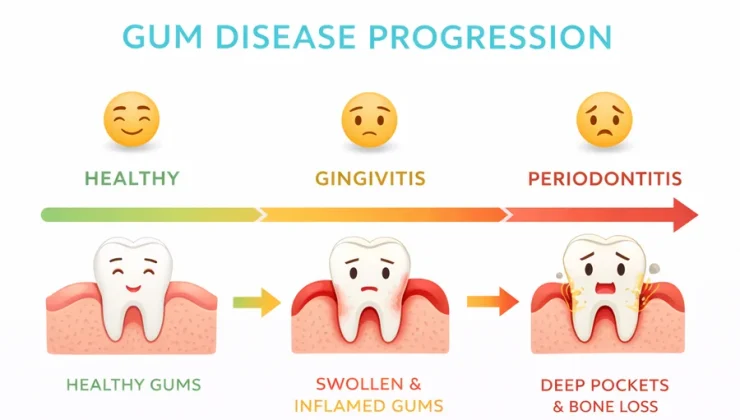
Gum disease is one of the most common oral health problems worldwide. Many people develop it without realizing it, often noticing the symptoms only after the condition has already progressed. Research shows that nearly half of adults over the age of 30 experience some form of gum disease, ranging from mild gum inflammation to advanced periodontal infection.
The encouraging news is that modern dentistry now offers highly advanced tools and treatment methods that can detect gum disease earlier and treat it more effectively than in the past.
In this article, we’ll discuss:
- The early warning signs of gum disease
- The main causes and risk factors
- Modern dental technologies used for diagnosis and treatment
- How dentists treat and prevent gum infections
What Is Gum Disease?
Gum disease, also known as periodontal disease, is a bacterial infection that affects the tissues and bones supporting the teeth.
It usually develops in two main stages.
Gingivitis (Early Stage)
Gingivitis is the earliest and most treatable form of gum disease. At this stage, the infection affects only the gums, causing inflammation and irritation without damaging the bone.
Periodontitis (Advanced Stage)
If gingivitis is not treated, the infection can spread deeper into the gum tissue and eventually affect the bone that holds the teeth in place. This stage is known as periodontitis and can lead to bone loss, gum recession, and even tooth loss if left untreated.
Early Signs of Gum Disease
Recognizing the early symptoms can help prevent long-term damage and more complex dental procedures. Some of the most common warning signs include:
Bleeding Gums
Gums that bleed during brushing or flossing are often one of the first signs of gum inflammation caused by plaque buildup.
Red or Swollen Gums
Healthy gums are typically firm and pink. If they appear red, swollen, or irritated, it may indicate the beginning of gum disease.
Persistent Bad Breath
Chronic bad breath, also known as halitosis, can occur when bacteria accumulate below the gum line.
Gum Tenderness
Gums that feel sore, sensitive, or painful when touched may signal infection or inflammation.
Plaque and Tartar Buildup
Plaque is a sticky film of bacteria that forms on teeth. If it is not removed through proper brushing and flossing, it hardens into tartar, which can only be removed professionally.
Advanced Signs of Gum Disease
As gum disease progresses, symptoms can become more severe and noticeable. These may include:
- Receding gums, making teeth appear longer
- Loose or shifting teeth
- Pus between the gums and teeth
- Pain while chewing
- Increased tooth sensitivity
- Bone loss around the teeth
These symptoms are typically associated with periodontitis and require professional dental care to prevent further damage.
What Causes Gum Disease?
Several factors can increase the risk of developing gum disease. The most common causes include:
- Poor oral hygiene habits
- Smoking or tobacco use
- Diabetes and certain medical conditions
- Hormonal changes
- Certain medications that affect gum health
- Genetic predisposition
- Stress or a weakened immune system
Because gum disease often develops slowly, regular dental checkups are essential for early detection and prevention.