
Indica and Sativa Strains: Rethinking Classification Through Structure, Terpenes, and Modern Genetics
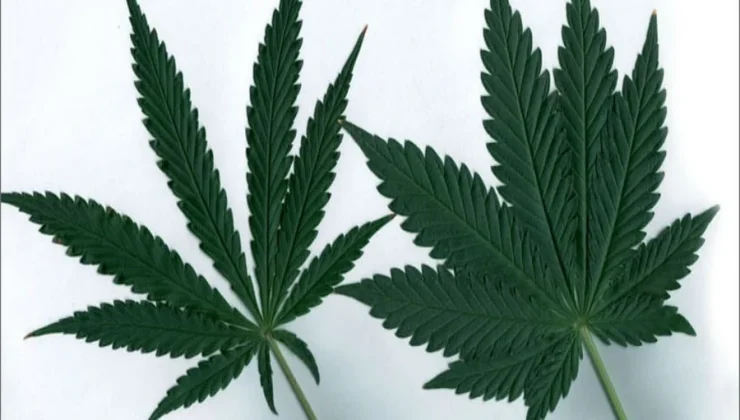
The conversation around indica and sativa strains has evolved significantly over the past decade. Once treated as simple opposites, these categories are now being examined through a more technical lens. Rather than relying on broad assumptions, experienced enthusiasts and seed collectors are focusing on plant morphology, terpene expression, and genetic lineage to better understand what truly defines each classification.
This shift reflects a more informed marketplace — one that values clarity and botanical precision over outdated generalizations.
Indica: Compact Structure and Environmental Adaptation
The term indica traditionally refers to cannabis varieties originating from mountainous regions, particularly Central and South Asia. These plants adapted to shorter growing seasons and cooler climates, developing structural traits that remain consistent across many preserved lines.
Indica plants are typically characterized by compact stature, broader leaflets, and dense floral formation. Their shorter internodal spacing often results in a stockier growth pattern. This morphology is not arbitrary; it reflects environmental adaptation over generations.
From a terpene standpoint, indica varieties frequently lean toward earthy, woody, or musky profiles. Myrcene is commonly present, often accompanied by caryophyllene or subtle herbal notes. These aromatic characteristics contribute to the plant’s distinct sensory identity.
However, modern breeding has blurred strict botanical boundaries. Many seed lines labeled as indica today may incorporate diverse parentage. For collectors researching Cannabis seeds, understanding lineage documentation is more informative than relying solely on the label.
Sativa Strains: Vertical Growth and Equatorial Influence
In contrast, sativa strains historically developed in equatorial regions with extended daylight cycles. As a result, these plants evolved to grow taller with narrower leaflets and longer flowering timelines.
Sativa strains often display elongated branch structures and increased internodal spacing. This open growth habit supports airflow and adapts well to warmer climates. Structurally, they present a clear visual contrast to compact indica varieties.
Aromatically, sativa strains are often associated with brighter terpene expressions. Limonene, terpinolene, and pinene frequently appear in these genetic lines, contributing to citrus-forward or pine-dominant scent profiles. This aromatic intensity has made sativa genetics popular in breeding programs seeking vibrant sensory characteristics.
Yet, as with indica, modern hybridization has complicated traditional definitions. Few contemporary seed lines remain purely equatorial in origin. Most incorporate layered genetics that combine structural and aromatic traits from multiple sources.
Why the Binary Model No Longer Tells the Full Story
While the indica versus sativa framework remains useful as a starting point, it does not fully capture the complexity of today’s genetics. Many contemporary varieties are hybrids engineered to balance structural attributes and terpene profiles.
For example, a seed line may inherit compact architecture from indica ancestry while expressing the bright aromatic qualities commonly linked to sativa strains. This blending challenges simplistic categorization.
Seed buyers increasingly recognize this nuance. Instead of relying solely on labels, they evaluate breeder transparency, generational stability, and documented parentage. Understanding how traits are selected and reinforced across breeding cycles provides a more accurate picture than classification alone.
Structural Traits, Terpenes, and Buyer Awareness
Modern consumers are becoming more research-driven in their approach to Cannabis seeds. They look for detailed product descriptions that explain structural tendencies, flowering timelines, and terpene composition. This attention to detail supports informed selection and long-term genetic preservation.
Indica and sativa strains continue to serve as useful reference points, especially when discussing plant morphology. Compact growth, broader leaves, and shorter flowering windows often suggest indica influence. Taller plants with extended flowering phases may reflect sativa heritage.
However, terpene analysis now plays an equally important role. Aromatic compounds provide measurable insight into genetic expression. As laboratory testing becomes more common, terpene data adds depth to traditional classification.
Preservation and the Future of Genetic Classification
The continued interest in indica and sativa strains underscores the importance of preserving foundational genetics. Stable parent lines act as reference markers within breeding programs, ensuring that key traits remain accessible for future development.
At the same time, innovation continues to reshape the landscape. Breeders are combining structural stability with dynamic terpene profiles, producing seed lines that defy strict categorization.
For collectors and enthusiasts, the key lies in understanding context. Rather than viewing indica and sativa as rigid opposites, they can be appreciated as historical foundations within a broader genetic spectrum.
As the seed market matures, informed decision-making increasingly centers on documented lineage, terpene composition, and breeder credibility. By moving beyond oversimplified labels, today’s buyers contribute to a more transparent and knowledge-driven environment — one where botanical precision matters more than marketing shorthand.