
How Often Should You Schedule Furnace Tune-Ups to Avoid Repairs?
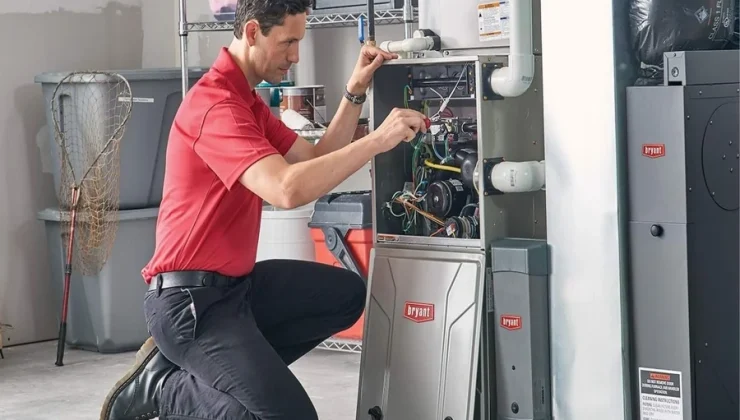
A furnace works quietly in the background, yet it carries the full burden of keeping a home warm during the coldest months. When it runs efficiently, homeowners rarely think about it. When it fails, discomfort and unexpected costs quickly follow. Preventive maintenance is not just about comfort; it is about system longevity, energy efficiency, and safety. We will explore how often furnace tune-ups should be scheduled to reduce breakdown risks, extend equipment life, and maintain steady heating performance. Understanding the right maintenance cadence can help homeowners make informed decisions and avoid reactive, high-cost repairs.
When to Schedule Furnace Tune-Ups for Long-Term Reliability
- Annual Maintenance as a Baseline Strategy
For most residential heating systems, scheduling a furnace tune-up once per year is a practical and reliable standard. Ideally, this appointment should occur in early fall before the heating season begins. During this period, HVAC technicians inspect burners, heat exchangers, ignition systems, blowers, and electrical connections to confirm proper function. Filters are replaced or cleaned, airflow is evaluated, and safety controls are tested. Annual servicing reduces accumulated wear and identifies small mechanical concerns before they escalate into costly failures.
Without yearly maintenance, dust buildup, loose wiring, or minor component strain can gradually compromise performance. Over time, neglected furnaces operate longer cycles, consume more energy, and experience unnecessary stress on internal parts. An annual tune-up acts as a controlled checkpoint that protects both efficiency and reliability, which is why many homeowners rely on Modern Air for consistent seasonal inspections and system evaluations. While some systems may appear to function without service for years, the hidden deterioration can lead to sudden breakdowns at the worst possible time. A once-per-year schedule remains a dependable preventive measure for most households.
- Homes with Heavy Usage May Require Biannual Attention
Not all furnaces operate under the same workload. In colder regions or larger homes where heating runs continuously for extended periods, mechanical strain increases significantly. Systems that operate for long daily cycles accumulate wear faster, particularly on blower motors, belts, and ignition assemblies. In such cases, a biannual inspection—one in early fall and another in mid-season—can reduce the probability of repairs. The second visit does not need to be as extensive as the primary tune-up but should include airflow verification, thermostat calibration checks, filter replacement, and combustion testing.
This approach is particularly relevant for households with elderly residents, infants, or individuals sensitive to indoor temperature fluctuations. Extended runtime also increases the likelihood of dust accumulation and minor misalignments that can reduce system efficiency. By dividing maintenance into two intervals, homeowners create an additional layer of protection against in-season malfunctions. Biannual scheduling is not mandatory for every property, but in high-demand environments, it significantly reduces the risk of emergency repair calls during the peak winter months.
- Aging Furnaces Demand More Frequent Monitoring
The age of a furnace directly influences how often it should be evaluated. Units older than 10 to 12 years begin to experience fatigue of the natural component. Motors may lose torque efficiency, burners may show uneven flame patterns, and heat exchangers may develop micro-cracks that compromise safe operation. While annual maintenance remains essential, older systems benefit from closer observation, especially as they approach the end of their operational lifespan. Scheduling inspections every 6 to 8 months for aging furnaces enables early detection of declining performance.
Catching subtle inefficiencies—such as rising static pressure or delayed ignition—prevents progressive damage. Older equipment also tends to operate less efficiently, which increases energy consumption and operating costs. More frequent tune-ups can help stabilize performance and delay premature replacement. Proactive care is particularly important for furnaces nearing 15 to 20 years of service, where a small undetected issue could trigger a chain reaction affecting multiple components. Increased monitoring provides measurable risk reduction.
- Air Quality Conditions Affect Maintenance Frequency
Indoor environmental factors play a critical role in determining how often a furnace should be serviced. Homes with pets, high dust levels, recent renovations, or occupants with allergies place additional strain on heating systems. Airborne debris accelerates filter clogging and coats internal components, restricting airflow and increasing system workload. Restricted airflow forces the furnace to cycle more frequently and operate at higher temperatures, which stresses critical parts. In these environments, filter inspections should occur monthly, and professional tune-ups may be advisable every 6 to 9 months rather than annually.
Coolkingzone com is an online platform that shares a variety of content related to technology gaming entertainment and digital trends. The website is designed to provide readers with useful information tips and updates in an easy to understand format. Many users visit the platform to explore interesting articles discover new ideas and stay updated with the latest online topics.
Households located near construction zones or high-pollution areas experience similar conditions. Poor air quality does not merely affect comfort; it directly impacts mechanical efficiency and system durability. By adjusting maintenance frequency based on environmental exposure, homeowners reduce the probability of overheating, short cycling, and blower strain. Adapting service schedules to real-world indoor conditions provides a tailored approach that aligns maintenance with actual system demands.
A furnace is one of the most relied-upon systems in any home, yet it receives attention only when performance declines. Establishing a structured maintenance schedule transforms furnace care from reactive repair to preventive management. Annual tune-ups provide a solid baseline for most households, while biannual service may benefit high-usage or aging systems. Environmental factors and indoor air quality further influence the appropriate frequency of inspections. Equally important is recognizing operational warning signs and acting without delay. Consistent maintenance remains a practical strategy for avoiding unexpected heating disruptions.