
Foil boarding has become one of the most exciting water sports in recent years. Whether you’re gliding above ocean waves or cruising across a calm lake, the experience feels almost magical. But that smooth, floating sensation doesn’t happen by accident. The design of your board plays a huge role in how stable you feel and how much control you have over your ride.
Understanding the basics of board design can help you choose the right equipment and improve your skills on the water. Let’s explore how different design features affect your foil boarding experience.
What Makes a Foil Board Different?
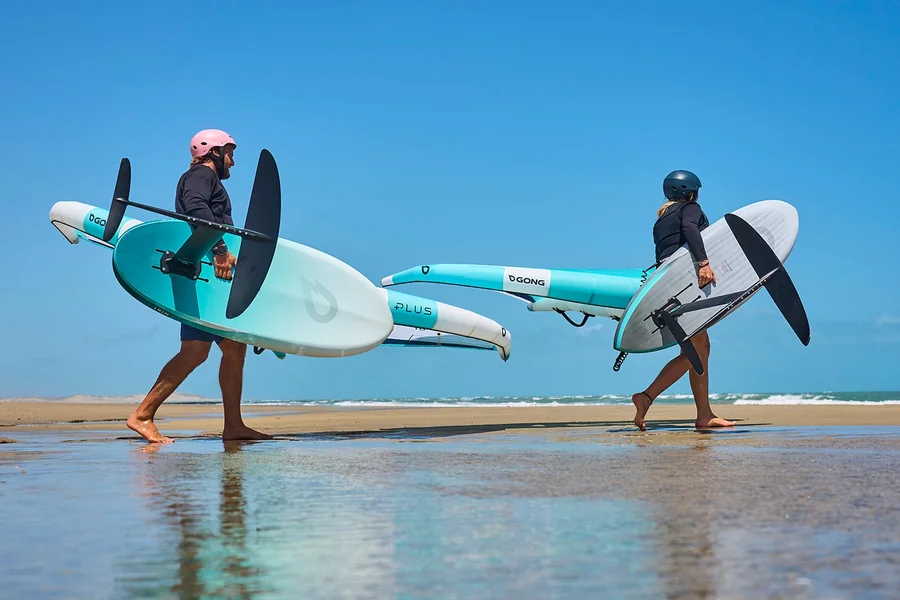
A foil board looks similar to other water sport boards at first glance. However, it’s built specifically to work with the hydrofoil attached underneath. The hydrofoil is the wing-like structure that lifts you out of the water as you gain speed. Because of this unique setup, foil boards need special design features that regular surfboards or wakeboards don’t have.
The board itself must be strong enough to handle the forces created by the foil while still being light enough to maneuver easily. It also needs the right shape and dimensions to help riders find their balance point and maintain control once they’re flying above the water.
How Shape Affects Your Ride
The overall shape of a foil board has a big impact on how it performs. Boards come in different outlines, from wider and rounder to narrower and more pointed. Each shape offers different benefits.
Wider boards provide more surface area, which makes them more stable when you’re starting out or riding at slower speeds. They give you a larger platform to stand on, making it easier to find your balance before the foil lifts you up. Many beginners prefer wider boards because they feel more secure and forgiving.
Narrower boards, on the other hand, offer better performance for experienced riders. They cut through the air more efficiently once you’re flying and allow for sharper turns and quicker responses. However, they require more skill to balance on, especially during takeoff and landing.
The nose and tail shapes matter too. A rounder nose helps the board stay smooth if it touches back down on the water, while a more pointed nose reduces drag when you’re up on the foil. Tail shape affects how the board responds when you shift your weight and make turns.
The Role of Board Thickness and Volume
Thickness and volume are two related features that greatly influence stability. Volume refers to how much space the board takes up and determines how much it floats in the water. A board with more volume sits higher on the water and provides more buoyancy.
Higher volume boards are easier to balance on while waiting for waves or building up speed. They’re also more forgiving if you lose lift and drop back onto the water’s surface. This makes them popular choices for beginners and riders who want a more relaxed experience.
Lower volume boards sit deeper in the water and require more speed to get going. They’re typically used by advanced riders who want maximum performance and don’t need the extra flotation. These boards feel more connected to the foil and respond more directly to rider input.
Finding the Right Balance Point
Every foil board has a specific balance point where the rider’s weight works best with the foil underneath. This spot is usually marked by the position of the foil mounting tracks on the bottom of the board.
Board designers carefully calculate where to place these mounting points based on the board’s overall shape and intended use. Getting this placement right is crucial because it affects how easily you can control the foil’s lift and direction.
When your weight is centered over the right spot, the board feels balanced and responsive. If the mounting position is off, you might struggle with the nose diving down or popping up unexpectedly. Many boards allow you to adjust the foil position slightly forward or backward to fine-tune the balance for your riding style.
Construction and Stiffness
How a board is built affects both its weight and how it responds to your movements. Stiffer boards transfer your energy more directly to the foil, giving you precise control over every adjustment. They respond quickly when you shift your weight, which experienced riders often prefer.
Boards with some flex can feel more comfortable and forgiving. They absorb small bumps and vibrations, creating a smoother ride. However, too much flex can make the board feel less responsive and harder to control at higher speeds.
Most modern foil boards use materials like carbon fiber, fiberglass, and foam cores to achieve the right combination of strength, stiffness, and light weight.
Matching the Board to Your Skill Level
Choosing the right board design depends on your experience and goals. Beginners generally benefit from larger, wider boards with more volume. These designs offer stability and forgiveness while you learn the basics of balance and control.
As your skills improve, you might move toward smaller, more performance-oriented boards. These allow for more dynamic riding but require better technique to handle effectively.
Conclusion
The design of a foil board isn’t just about looks. Every curve, dimension, and construction choice affects how stable you feel and how much control you have on the water. Understanding these design principles helps you make smarter equipment choices and appreciate the engineering behind this thrilling sport. Whether you’re just starting out or looking to advance your skills, the right board design can make all the difference in your foil boarding journey.