

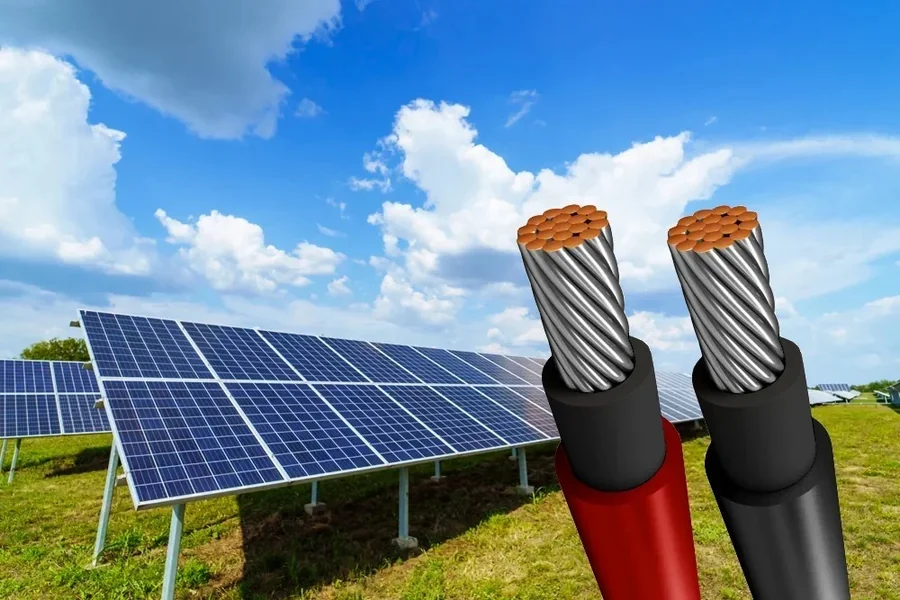
Solar panel wiring design determines how efficiently the energy made on the roof or ground actually reaches the inverter and then the service panel. A solar array can be perfectly oriented toward the sun yet still lose a noticeable share of its production if conductors are undersized, runs are longer than expected, or terminations add resistance. Voltage drop is the most common performance penalty in wiring design because each foot of wire has resistance, which converts a portion of the power into heat. Wiring decisions also affect reliability and troubleshooting, since poorly routed cables, crowded conduits, or loose lugs can cause intermittent faults that are hard to track down. A solid design balances low electrical loss with safe installation practices, using a correct string layout, conductor sizing, and routing that match actual distances rather than rough estimates. When these details are well planned, the system operates predictably under heat, cold, and changing load conditions.
Lower losses, steadier operation
-
Why does voltage drop happen in solar circuits?
Voltage drop occurs when current flows through a conductor and encounters resistance, reducing the voltage at the destination relative to the source. In solar, this can happen on the DC side, from modules to a combiner or inverter, and on the AC side, from the inverter to the service panel or interconnection point—the drop size increases with current, distance, and wire size. Because the lost energy becomes heat, an excessive drop can show up as warmer conduits, hot junction boxes, or slightly reduced power during peak production. The loss may be small in percentage terms but meaningful in annual energy, especially when the array is far from the inverter or when multiple strings are combined in parallel, raising current. The practical impact is that the inverter operates under conditions different from those intended. On the DC side, the inverter may see lower voltage during low-light periods, which can narrow its operating window. On the AC side, resistance can cause local voltage changes that affect how easily the inverter can deliver power back to the panel. Understanding this mechanism helps explain why wiring is not just a code requirement; it is a performance component.
-
String layout, current levels, and wire size tradeoffs
String configuration strongly influences voltage drop because it changes current. A longer series string raises voltage while keeping current the same, which typically reduces resistive loss for a given wire size because current is the main driver of heating and drop. However, series strings must remain within inverter voltage limits, especially in cold weather when module voltage rises. Parallel strings increase current because currents add, which can increase voltage drop and require larger conductors on homeruns. This is why combiner design matters. A combiner that collects many strings may need a larger wire back to the inverter even if each string wire is modest. Real distance also matters more than people assume. It includes rooftop routing, vertical drops, attic runs, conduit bends, and slack for service loops. A contractor like North Valley Solar Power typically accounts for these real paths early so conductor sizing is based on true length, not only on a straight-line roof-to-inverter estimate. Temperature also affects resistance, and rooftop wiring can run hotter than ambient due to sun-warmed conduit, so the same circuit can have slightly higher loss in summer. The goal is to size conductors for both performance and thermal conditions, not only the minimum allowed.
-
DC side versus AC side issues and what changes
DC and AC voltage drops appear differently. On the DC side, voltage drop reduces the voltage available at the inverter input. That can reduce how effectively the inverter tracks the array operating point, especially early and late in the day when the array voltage is closer to the inverter minimum. In partial shading or cloudy conditions, every volt of margin matters, so a DC drop can cause production to start and stop earlier than expected. On the AC side, voltage drop affects the delivery from the inverter to the panel, and it can also interact with the grid voltage. If the utility voltage is already high, the inverter may experience a voltage rise at its terminals when exporting power, and some inverters reduce output or disconnect to stay within grid limits. Upsizing AC conductors can help by lowering resistive voltage rise along the run, allowing the inverter to remain online longer during bright hours. This is particularly relevant in long AC runs or where the interconnection point is far from the inverter. In some homes, improving AC wiring can increase actual production more than optimizing DC wiring, depending on the site layout and local grid conditions.
Solar panel wiring design and voltage drop issues matter because they determine how much of the array’s generated power reaches the inverter and service panel. Voltage drop grows with higher current, longer distance, and smaller conductors, and it affects both DC input conditions and AC export behavior. Smart string layout, accurate distance planning, proper conductor sizing, and clean installation details, such as correct torque, conduit fill, and protective routing, keep losses low and reliability high. With careful design and disciplined workmanship, the system delivers steadier production and avoids avoidable heat, faults, and performance surprises year-round.