
Emotional Support Animal Cat
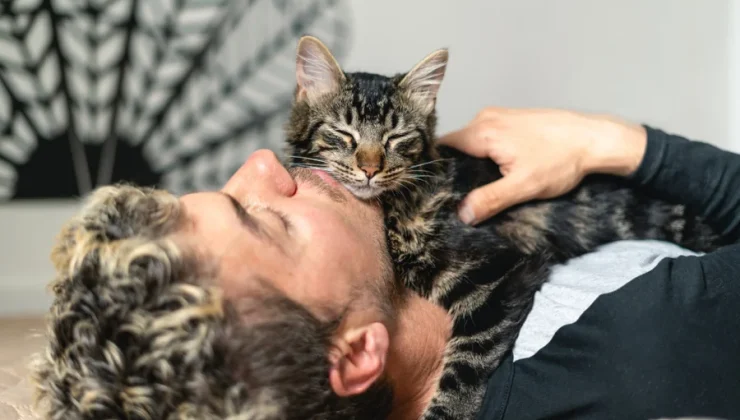
Emotional support animals (ESAs) are commonly associated with dogs, thanks to mistaken identity around service dogs, which assist their handlers by performing tasks directly related to their disability.
While cats don’t qualify as service animals, they do still provide untrained emotional support to those with mental health affecting disabilities and can serve the role of emotional support animal well. Most emotional support cats provide comfort through companionship without formal recognition. Those who think they may benefit from an emotional support cat and are actively seeking a new buddy, may find that most cats from animal shelters are capable emotional support animals to the right person.
In fact, cats are second only to dogs in the number of emotional support animals. After all, they are also the second most popular household pet, not just in the United States but in the world. When it comes to having an emotional support animal cat, simply having a cat isn’t enough. There’s a process that must be completed in order for a cat to be an emotional support animal.
Can a Cat Become an Emotional Support Animal?
Cats are perfectly and legally capable of becoming emotional support animals. They can be a highly effective form of treatment for someone with a mental disability, be it depression, anxiety, dissociative disorders, post-traumatic stress disorder, or any other.
However, for a cat to be an emotional support animal, the owner must obtain an ESA letter from a qualified mental health practitioner. The practitioner must also be licensed to practice in the owner’s state of residence. This legal document, which works similarly to a prescription, recommends the use of an emotional support animal, in this case, a cat, as part of the owner’s mental health treatment plan.
Because emotional support animals assist with a disability, you have certain legal rights. The federal Fair Housing Act gives tenants with disabilities the right to keep an ESA in their home, even in no-pet housing. There are only a few exceptions, and most landlords will honor your rights if you have a legitimate ESA letter.
However, ESAs don’t have the same public access rights as service animals, which are covered by the Americans with Disabilities Act. Your ESA is only covered by federal law in your home. They cannot join you in restaurants, grocery stores, or movie theaters, and are subject to pet restrictions and fees on flights.
How an Emotional Support Animal Cat Can Help Their Owners
Before we get to how you can make a cat your emotional support animal, let’s first look at their benefits for those who are considering one as part of their treatment.
An ESA cat mainly helps their owner by providing a consistent source of comfort and companionship. The presence of a cat alone can have a calming effect, which may reduce feelings of symptoms associated with mental health disorders.
They are particularly helpful for individuals who require a low-maintenance emotional support animal, as their care needs are pretty minimal. Compared to dogs and other higher-maintenance animals, it is less likely for a cat to become a burden for someone struggling with a mental disability due to their care needs.
In addition to providing emotional support, having a cat can also create a sense of routine and responsibility, which can be helpful for individuals who would benefit from structure and daily routine.
Steps for Making Your Cat an ESA
As briefly mentioned above, you must obtain an ESA letter from a licensed mental health professional to have an emotional support animal cat. This is a required legal document that confirms that you have a qualifying mental disability and that your cat provides support related to your disability.
Since only a licensed mental health professional can write you an ESA letter, you must speak with one. You can do this by visiting a provider in your area or working with online ESA services that connect you with a mental health professional in your state to evaluate your condition.
However, note that there’s no guarantee that you will get an ESA letter. Your provider must evaluate your symptoms and decide that an emotional support animal cat is a good fit for you, just like any other form of treatment. Once obtained an ESA letter for your animal, you can then use it when and where applicable.
Is an Emotional Support Animal Cat the Right ESA for You?
Since cats aren’t the only type of emotional support animal you can have, it is essential to understand if an ESA cat is the right option for you. Before taking the steps to get an emotional support animal cat, consider whether a cat’s behavior and care requirements align with your expectations and condition.
While they are generally an ideal ESA for a wide range of people, understanding what they can provide and their care needs can help you decide whether this type of ESA is the right fit for you.