
Common Furnace Problems Technicians Fix Every Season
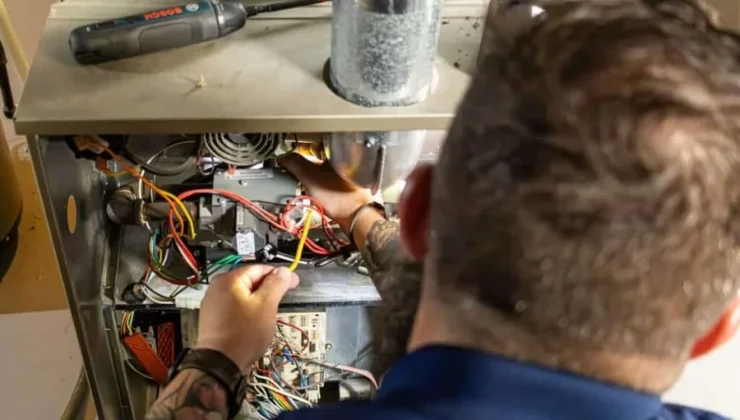
When temperatures begin to fall, furnaces shift from standby to daily operation, and the strain of continuous cycling quickly reveals hidden mechanical weaknesses. Homeowners often assume that if a system powered on last winter, it will perform the same way this year. However, heating equipment contains electrical components, combustion assemblies, airflow systems, and safety controls that naturally wear down over time. We will explore the recurring furnace issues technicians address each season, why these problems arise, and how professional service restores safe, consistent heating performance. Understanding these patterns helps property owners recognize early warning signs and avoid sudden mid-season breakdowns.
Seasonal Furnace Issues and How They Are Resolved
- Dirty or Clogged Air Filters:
One of the most common furnace problems each season is restricted airflow caused by a clogged air filter. While it may seem minor, a blocked filter forces the blower motor to work harder, increases static pressure within the duct system, and reduces overall heating efficiency. Over time, this strain can overheat components and trigger safety shutdowns. Technicians frequently discover that inconsistent room temperatures or short cycling stem directly from neglected filter maintenance.
During service visits, technicians at Custom Air Company inspect airflow, measure temperature rise across the heat exchanger, and verify blower performance to ensure the system operates safely and efficiently. Replacing the filter often restores proper circulation immediately, but professionals also check for deeper issues, such as duct obstructions or improperly sized filtration systems that may restrict airflow. Seasonal service ensures the furnace breathes properly, reducing wear on internal components and helping the system operate within manufacturer specifications throughout the cold months.
- Ignition or Pilot Control Failures:
Modern furnaces rely on electronic ignition systems rather than standing pilot lights. Over time, igniters can crack, flame sensors accumulate carbon buildup, or pilot assemblies become misaligned. When this happens, homeowners may notice clicking sounds, delayed ignition, or a furnace that attempts to start but shuts down quickly. Technicians diagnose these issues using multimeters to test voltage and continuity, confirming whether the igniter draws proper amperage.
Cleaning the flame sensor is another routine fix, as a thin layer of oxidation can prevent the system from detecting a stable flame. In older units with pilot lights, drafts or debris can extinguish the flame entirely. Seasonal maintenance addresses these vulnerabilities before they escalate. Reliable ignition is critical not only for comfort but also for safety, since incomplete ignition can lead to inefficient combustion and increased stress on heat-producing components.
- Thermostat Malfunctions and Calibration Issues:
Another recurring problem involves thermostat inaccuracies or wiring faults that disrupt communication between the control board and heating equipment. Homeowners may believe the furnace itself is failing when, in reality, the thermostat is misreading indoor temperature or sending inconsistent signals. Technicians test voltage at the control terminals, inspect low-voltage wiring connections, and recalibrate thermostats when necessary. Battery-powered units often fail simply because their batteries are depleted, while older mechanical thermostats can drift out of calibration over time.
Incorrect placement, such as near drafts or direct sunlight, can also cause false readings that trigger unnecessary cycling. By confirming proper communication between the thermostat and furnace, technicians restore steady temperature regulation. This process improves efficiency and prevents excessive runtime, which could accelerate component wear during peak heating season.
- Blower Motor Wear and Airflow Imbalance:
The blower motor is responsible for distributing heated air throughout the property, and seasonal demand places heavy stress on this component. Bearings can wear down, belts may loosen in older belt-driven systems, and accumulated dust can cause overheating. A failing blower often produces humming, rattling vibrations, or weak airflow at the vents. Technicians inspect motor amperage draw, lubricate moving parts where applicable, and verify that capacitors deliver the correct electrical charge. Inconsistent airflow may also indicate duct leaks or blockages that restrict distribution. Addressing blower issues not only improves comfort but also helps protect the heat exchanger from overheating caused by poor airflow. Seasonal inspections allow technicians to detect early signs of motor fatigue and prevent complete failure during extreme weather conditions.
- Heat Exchanger Concerns and Safety Switch Trips:
The heat exchanger is central to furnace operation, transferring heat from combustion gases into circulating air. Over time, metal fatigue, corrosion, or improper airflow can create cracks or hotspots. Modern furnaces include safety switches that shut down the system if abnormal temperatures or pressure levels are detected. When homeowners experience frequent shutdowns, technicians often investigate limit switches, rollout switches, and pressure switches. These components are designed to prevent unsafe operation, particularly in situations involving restricted vents or blocked flue pipes. A thorough inspection includes examining combustion quality, venting integrity, and carbon monoxide risk factors. Seasonal maintenance plays a critical role in identifying early exchanger stress before it leads to hazardous conditions or costly system replacement.
- Clogged Burners and Combustion Imbalance:
Furnaces depend on precise gas-to-air ratios for efficient combustion. Over time, burners can accumulate dust, rust flakes, or debris that disrupt flame patterns. An uneven flame may cause delayed ignition, increased fuel consumption, or soot formation within the combustion chamber. Technicians clean burners carefully, inspect manifold pressure, and confirm that gas valves regulate fuel flow accurately. They also verify that intake and exhaust vents remain unobstructed, since restricted airflow can alter combustion dynamics. Proper flame appearance—steady, blue, and evenly distributed—indicates balanced operation. Addressing combustion-related issues each season improves fuel efficiency and supports consistent heat output. Neglecting this maintenance can shorten furnace lifespan and reduce overall reliability.
Furnaces are complex mechanical systems that endure months of continuous operation during cold weather, and recurring seasonal issues are a natural result of wear, environmental exposure, and fluctuating demand. By addressing clogged filters, ignition failures, thermostat inaccuracies, blower wear, combustion imbalances, and electrical malfunctions, technicians maintain both safety and efficiency throughout the heating cycle. Preventive inspections reduce emergency breakdowns and help property owners plan for future repairs before they become disruptive. Proactive attention each season ensures the furnace remains a reliable source of warmth when it is needed most.