

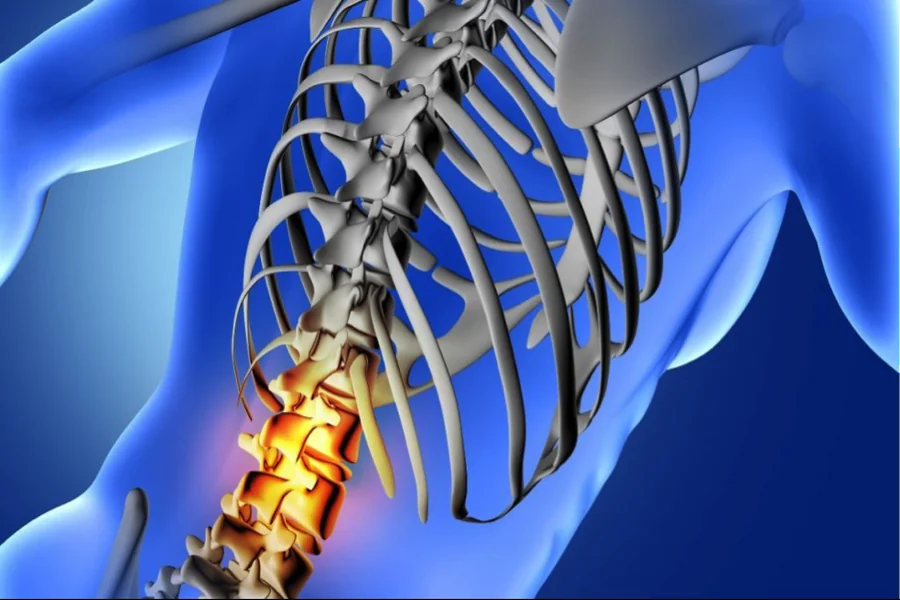
Spinal cord injuries are very serious and can have lasting effects on mobility, sensation, and independence. They often require emergency care, surgery, rehabilitation, and long-term treatment. Because these injuries are usually permanent, spinal cord injury claims involve significant issues for both the injured person and those evaluating the case.
Strong medical evidence is crucial in any legal case involving trauma. To build a convincing case, you need to show that the injury exists, how serious it is, how it happened, what treatment is needed, and how it will impact the person’s future. People looking for help with these claims often start by researching firms like Janda Law Firm to understand how medical evidence affects the strength and value of a spinal cord injury case.
Emergency Records Often Establish the Starting Point
The earliest medical records form the foundation of a spinal cord injury claim, connecting the injury to the accident and showing initial severity. Important evidence includes ambulance reports documenting neurological concerns, emergency room records showing complaints of pain or loss of movement, trauma team evaluations identifying suspected spinal damage, and hospital admission notes establishing the treatment plan.
These records are powerful because they were created close to the event, making it harder for the opposing side to argue that the injury came from another cause or developed later.
Imaging Studies Can Make the Injury Harder to Dispute
Diagnostic imaging is often the most powerful form of evidence. MRI scans, CT scans, and X-rays can reveal fractures, spinal cord compression, disc damage, hemorrhaging, and swelling. These findings explain why the injured person experiences pain, paralysis, weakness, or reduced function.
Imaging provides objective support that is difficult to dismiss. Insurers look for hard medical proof when evaluating serious injuries, and clear imaging findings make it much harder to downplay the damage. Even when symptoms evolve, radiological evidence provides a strong foundation for showing the injury is genuine and significant.
Neurological Findings Help Show Functional Loss
Spinal cord injuries are not judged only by what appears on a scan. Neurological examinations show how the injury affects the body in real-life terms — reflex changes, muscle weakness, sensory deficits, coordination problems, bowel or bladder dysfunction, and loss of motor control can all become part of the evidence. These findings translate the injury from a diagnosis on paper into an explanation of how the nervous system has been impaired.
A case becomes far more persuasive when the medical record shows not just damage to the spine but the actual limitations the person faces. Neurological findings demonstrate why someone struggles to walk, lift, work, drive, or care for themselves. The more clearly these impairments are documented, the stronger the connection between the injury and its daily consequences.
Surgical and Treatment Records Reveal Seriousness
When a spinal cord injury requires surgery, hospitalization, rehabilitation, or specialized treatment, those records demonstrate the case’s seriousness. Operative reports, discharge summaries, medication records, physical therapy notes, and rehabilitation plans show the injury demanded significant intervention.
Treatment evidence also shows the claim did not end with the initial diagnosis. Continuing records prove the effects are substantial and ongoing. Frequent appointments, therapy sessions, and specialist visits support the argument that the injury is neither temporary nor minor.
Physician Opinions Can Clarify Causation and Prognosis
Doctors do more than provide treatment — their opinions become key evidence explaining what caused the injury and what the person is likely to face. Treating physicians may address whether the accident directly caused the spinal damage, whether preexisting conditions played a role, and whether the person is expected to regain function or face permanent impairment.
Prognosis is especially important because the future impact may be enormous. A physician’s assessment may discuss permanent disability, chronic pain, limited mobility, future surgeries, assistive devices, or long-term rehabilitation needs. These conclusions strongly influence how the claim is valued because they move the case beyond immediate treatment into the long-term reality of living with the injury.
Consistent Medical Documentation Strengthens Credibility
A strong claim depends not only on the injury’s seriousness but on the consistency of the medical record. When symptoms, diagnoses, treatment recommendations, and functional limitations remain clear and consistent across providers, the case becomes more credible. Emergency doctors, surgeons, neurologists, rehabilitation specialists, and therapists should all tell a medical story that makes sense from beginning to end.
Inconsistencies can create problems. Gaps in treatment, conflicting symptom descriptions, or records that fail to document important limitations give insurers room to question the claim. Overall consistency matters — a well-documented history shows the injury has been taken seriously from the start and that the claimant’s reports are supported by objective findings and ongoing care.
Future Medical Needs Often Shape the True Value
A spinal cord injury claim includes past treatment and focuses on long-term effects. These effects are important as they show how the injury will impact the person’s future life. Medical evidence can help show the need for:
- Ongoing physical therapy or rehabilitation
- Future surgeries or follow-up procedures
- Mobility equipment, such as wheelchairs or braces
- Home modifications to improve accessibility
- Pain management treatment
- In-home assistance or personal care support
- Long-term specialist monitoring
This evidence can greatly impact how the claim is assessed. If medical records and doctors’ opinions show that the injury requires extensive future care, the case becomes harder to downplay, highlighting both current harm and ongoing challenges for the injured person.
Strong Claims Are Built on More Than a Diagnosis Alone
A spinal cord injury diagnosis is important, but by itself it rarely tells the full story. The strongest claims are built from emergency records, imaging, neurological findings, treatment history, physician opinions, and evidence of future limitations. Together, these create a detailed picture of what the injury is, how it happened, and how deeply it has changed the injured person’s life.
When the evidence is thorough, consistent, and tied clearly to the accident, it becomes much easier to demonstrate the seriousness of the injury and the long-term impact on the person living with it.