
Why Most Emergency Savings Plans Fail in Practice?
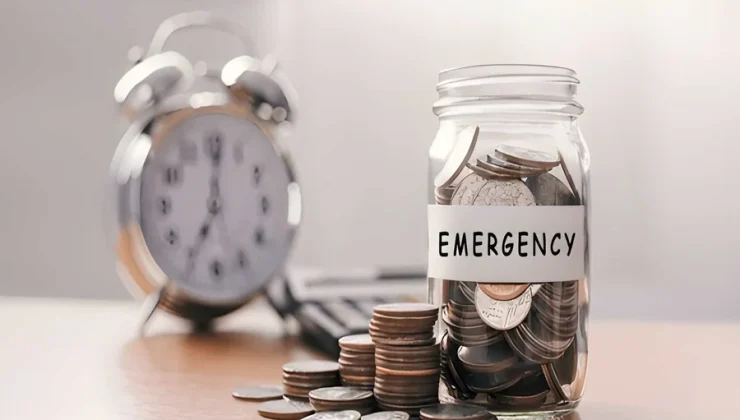
Nearly 75% of Indians lack an emergency fund. This leaves them vulnerable when unexpected expenses arise. Whether it’s a medical emergency or urgent home repairs, the absence of a reliable financial cushion can derail years of financial planning. The irony? Most people understand the importance of emergency savings. Yet their plans consistently fall short when tested by real-world challenges.
The gap between knowing what to do and actually doing it reveals fundamental flaws in how we approach emergency savings. These failures aren’t about lack of awareness. They stem from behavioural patterns and unrealistic expectations that undermine even the most well-intentioned savings plan. Understanding why these plans fail is the first step towards building a truly resilient financial safety net.
Setting Unrealistic Targets That Discourage Progress
One of the primary reasons emergency savings plans collapse is the tendency to set overly ambitious targets from the outset. Financial advisers often recommend saving three to six months’ worth of expenses. For someone just starting out, this figure can seem insurmountable. When faced with a target of ₹3-5 lakhs, many individuals become overwhelmed and either never start or give up after the initial enthusiasm wanes. The psychological impact of unrealistic goals cannot be understated. When progress feels impossibly slow against a massive target, motivation erodes quickly.
A more effective approach involves breaking down the larger goal into manageable milestones. Start with ₹10,000, then ₹25,000, gradually building towards the ideal buffer. This incremental strategy maintains momentum and provides regular wins that reinforce positive saving behaviour.
The Comparison Trap
Another dimension of unrealistic target-setting involves comparing oneself to others without considering individual circumstances. A single professional living with family has vastly separate emergency fund requirements compared to someone supporting a household with dependents. Your best savings plan must reflect your unique situation. Not generic benchmarks or what colleagues claim to have saved.
Stop measuring your progress against someone else’s financial journey and focus on your own milestones instead.
Lack of Discipline and the Accessibility Paradox
Emergency funds exist in a peculiar space. They must be readily accessible during crises. Yet protected from impulsive withdrawals during normal times. This paradox trips up countless savers who struggle to maintain discipline when their emergency fund sits temptingly available in a frequent savings account.
The most common discipline failures include dipping into emergency funds for non-emergencies like holidays or gadgets and failing to distinguish between genuine emergencies and planned expenses that should have different budgets. Many treat the emergency fund as a secondary source for investments when attractive opportunities arise. Others never replenish the fund promptly after legitimate withdrawals.
Creating clear boundaries around what constitutes a true emergency helps maintain discipline. Medical emergencies qualify. Unexpected job loss qualifies. Urgent home repairs or essential vehicle repairs qualify. Festive shopping does not. Weddings do not. That attractive property down payment does not. Keeping emergency funds in a varied account adds a psychological barrier that discourages casual withdrawals, while maintaining accessibility when genuinely needed.
Inconsistent Income and the Savings Struggle
India’s large gig economy faces singular challenges in maintaining emergency savings. When monthly income fluctuates, the traditional advice to “save a fixed percentage every month” becomes impractical. During lean months, even basic expenses exceed earnings.
Savings become impossible. You’re potentially forced to withdraw from existing reserves. This income volatility creates a vicious cycle. Irregular earners often need larger emergency funds precisely because their income is unpredictable. Yet they find it hardest to build these reserves.
The solution lies in adopting a flexible savings approach. Save higher percentages during good months. Save lower (or zero) during difficult periods. Never abandon the savings plan entirely.
Rising Expenses Outpacing Savings
Even those with steady incomes face the challenge of inflation. Medical costs in India have been rising at 10-15% annually. This significantly outpaces general inflation. An emergency fund that seemed adequate two years ago now falls short of covering the same medical procedure.
Without periodic reviews, your savings plan gradually loses its protective power. Schedule a review every six months to keep your buffer relevant.
The Wrong Parking Choices for Emergency Funds
Where you park your emergency corpus matters enormously. Some individuals chase higher returns by locking funds in fixed deposits with premature withdrawal penalties. Others leave everything in zero-interest current accounts. Both extremes undermine the purpose of emergency savings. The fitting emergency fund balances three priorities. Liquidity. Safety. Reasonable returns.
Liquid funds offer this balance for the Indian context. High-interest savings accounts work well. Sweep-in fixed deposits provide another option. The mistake lies in sacrificing accessibility for returns or accepting zero returns for maximum liquidity when better options exist.
Another critical error involves keeping the entire emergency fund in a single account. Diversifying across two instruments provides both security and optimisation. Perhaps combine a savings account for immediate access with a liquid fund for the bulk. This approach ensures that even if one avenue faces temporary access issues, alternatives remain available. Start by opening a diverse high-yield savings account dedicated solely to emergencies.
Neglecting Recurring Reviews and Adjustments
An emergency savings plan isn’t a “set and forget” arrangement. Life circumstances change. You might get married or have children. You take on a home loan. You switch to self-employment. Each transition alters your emergency fund requirements. Yet most people never revisit their upfront calculations.
Routine reviews help ensure your emergency buffer stays adequate. These reviews should assess whether your monthly expenses have increased, requiring a larger fund. Check if your income stability has changed. This affects how many months’ coverage you need. Verify whether dependents have been added or removed from your financial responsibilities. Confirm if the parking instruments still offer optimal liquidity.
This systematic review process transforms your savings plan from a static target into a dynamic financial tool that evolves with your needs. Set a calendar reminder for every January and July to conduct these reviews.
Building a Resilient Emergency Fund That Works
Understanding why emergency savings plans fail provides the foundation for creating one that succeeds. Start with realistic targets that build confidence. Establish transparent rules about what constitutes an emergency. Keep these funds physically distinct from daily banking. If income varies, adopt flexible saving strategies that accommodate your cash flow patterns whilst maintaining forward momentum.
Building financial resilience is a marathon. Even modest contributions compound over time into meaningful protection. The best savings plan isn’t the most aggressive one. It’s the one you’ll actually maintain through changing circumstances. Focus on consistency rather than perfection in your monthly contributions.
Your emergency fund represents more than just money set aside. It’s peace of mind. It’s financial independence. It’s the freedom to handle life’s uncertainties without derailing your long-term goals. By avoiding the common pitfalls that cause most plans to fail, you create a truly reliable safety net that serves its purpose when you need it most. Take the first step today by opening a dedicated emergency savings account.