
Is Your Home’s Water Making You Sick? What Houston Homeowners Need to Know About Old Pipes
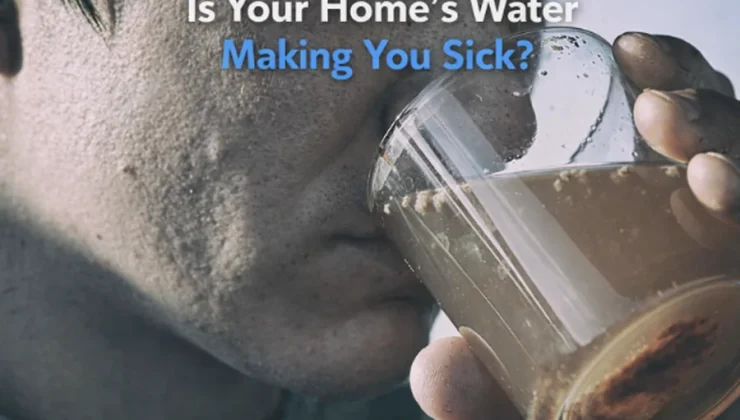
Old pipes in your Houston home can directly affect your water quality and, over time, your family’s health. Aging plumbing materials corrode, crack, and leach metals and contaminants into the water you drink and cook with every single day. If your home was built before the late 1980s and has never had a major plumbing update, your pipes deserve immediate attention.
Why Old Pipes Are a Bigger Problem in Houston Than Most Cities
Houston grew fast. Thousands of homes built between the 1950s and early 1980s still stand in established neighborhoods across the city. Many of those homes still run on their original plumbing. That plumbing deteriorates in ways that are completely invisible to the homeowner but very real in terms of what ends up in your water.
Houston’s expansive clay soil shifts constantly with moisture changes and temperature swings. That ground movement puts ongoing stress on underground pipes and the joints connecting them. Additionally, Houston’s extreme heat accelerates corrosion inside pipes, especially in attic spaces where temperatures can exceed 130 degrees in summer. All of these local factors combine to make aging plumbing a genuine public health issue for Houston homeowners, not just a maintenance headache.
What Old Pipes Put Into Your Drinking Water
The type of pipe material in your home determines the specific contamination risk. Houston homes built across different decades contain different materials, each with its own set of problems. Here is what you need to know about the most common ones.
Lead Pipes and Lead Solder
Lead pipes and lead solder were used in American homes until 1986, when federal law severely restricted their use. According to the Centers for Disease Control and Prevention (CDC), there is no safe level of lead exposure for children. Lead accumulates in the body over time and links directly to developmental delays, learning difficulties, lower IQ, hearing problems, and behavioral issues in children. In adults, it contributes to high blood pressure, kidney damage, and cardiovascular problems.
The most dangerous part is that you cannot see, taste, or smell lead in your water. A home can appear completely normal while its pipes silently release lead into every glass of water your family drinks.
Galvanized Steel Pipes
Galvanized steel pipes were standard in Houston homes built before the 1960s. These pipes have a zinc coating designed to prevent rust. However, that coating wears away over decades. Once it fails, the steel beneath corrodes rapidly from the inside out, releasing rust and iron particles into your water. That is what causes the brown or orange discoloration many older Houston homeowners notice at the tap. Furthermore, corroded galvanized pipes also trap and re-release lead particles, particularly in homes where the pipes were once connected to a lead service line.
Polybutylene Pipes
Polybutylene plastic pipe was installed in millions of American homes between the late 1970s and mid-1990s. The material reacts poorly with the chlorine and oxidants in municipal water, causing the pipe to develop microscopic cracks from the inside out. As it degrades, it may release microplastics and chemical residue into your water supply. Manufacturers discontinued polybutylene in the 1990s after a major class action settlement, but many Houston homes still have it in place today.
Cast Iron Drain Pipes
Cast iron was the standard for drain and sewer lines in homes built before the 1980s. While cast iron does not typically contaminate drinking water directly, it corrodes and crumbles over time. Cracked cast iron drain pipes can allow sewage to leak into the soil around your foundation, create sewage odors inside the home, and in some cases create conditions that allow contaminants to work their way into the broader plumbing system. Beyond that, failing cast iron causes chronic drainage problems and recurring backups that get worse over time.
Warning Signs That Your Old Pipes May Be Affecting Your Water
Your water gives you signals when something is wrong. Watch for these signs in any older Houston home:
- Brown, yellow, or rusty water coming from the tap, especially first thing in the morning or after periods of low use
- A metallic taste or smell in your drinking water or in food cooked with tap water
- A rotten egg or sulfur odor from hot water, which can signal bacteria growth in corroded pipes or an aging water heater
- A steady drop in water pressure throughout the home as corrosion narrows pipes from the inside
- Blue-green staining around drains and fixtures from corroding copper, or rust-colored stains from iron or galvanized steel
- Recurring stomach issues in household members, especially children, without a clear cause
- Questions from your child’s pediatrician about development or blood lead levels at routine checkups
None of these signs alone confirms a pipe contamination problem. However, any combination of them in an older Houston home is worth taking seriously with a water test and professional plumbing inspection.
What Houston Homeowners Should Do Right Now
This problem is fully solvable. You do not have to accept old pipes as a permanent part of your home. Here are the steps to take in order.
Test Your Water First
Testing is the only way to know what is actually in your tap water. You cannot rely on taste, smell, or appearance alone. Houston Public Works offers a free lead and copper testing program for qualifying homes. You can also hire a certified lab directly, which typically costs between $20 and $100. Get the actual numbers before making any decisions.
Have a Licensed Plumber Inspect Your Pipes
A licensed Houston plumber can confirm what pipe materials your home has and evaluate their current condition. This is especially critical for homes built before 1986. Knowing exactly what you have gives you the information you need to understand your risk and your options.
Use a Certified Filter While You Plan
While you work through your options, use a filter certified to remove lead under NSF/ANSI Standard 53 on any tap you use for drinking or cooking. This step reduces immediate exposure while a longer-term solution takes shape. Keep in mind that boiling water does not remove lead or chemical contaminants. It only addresses biological threats.
Replace the Pipes Permanently
Filters reduce exposure but do not fix the source. The only permanent solution is replacing the pipes themselves. For Houston homeowners dealing with lead, galvanized steel, or polybutylene throughout the home, a full repipe with modern PEX or copper addresses every compromised line at once. Homeowners looking into whole house repiping in Houston can get a professional assessment and a clear cost estimate before any work begins.
Is Houston’s City Water Actually the Problem?
This distinction matters. Houston’s water treatment plants consistently deliver water that meets federal safety standards before it ever reaches your street. The city’s water mains do not add lead to the supply. The contamination risk comes after the water leaves the main and travels through private service lines and household plumbing that may contain aging or dangerous materials.
This is exactly why Houston Public Works sent notices to over 429,000 customers in late 2024 stating that their water service line material is unknown. The city knows its mains are safe. What it cannot always confirm is what private plumbing connects those mains to individual homes. That gap is the homeowner’s responsibility to investigate and close.
The Bottom Line on Old Pipes and Your Health
Old pipes are not just a plumbing inconvenience. They are a hidden health risk that millions of homeowners overlook because the problem stays invisible until real damage has been done. You cannot see lead dissolving into your water. You cannot see polybutylene cracking inside your walls. You cannot smell galvanized steel corroding. But the effects on your family’s health over months and years are well-documented and serious.
The path forward is straightforward. Test your water. Get your pipes inspected. Act on what you find. Houston homeowners who take these steps proactively protect their families, maintain their home’s value, and permanently eliminate one of the most overlooked risks hiding in plain sight.
Worried about the age and condition of your Houston home’s plumbing? The licensed team at Repipe Solutions Inc helps homeowners identify failing pipe materials and replace them with modern, safe alternatives that last for decades. Contact Repipe Solutions Inc today for a free consultation and find out exactly what is running through your walls.