
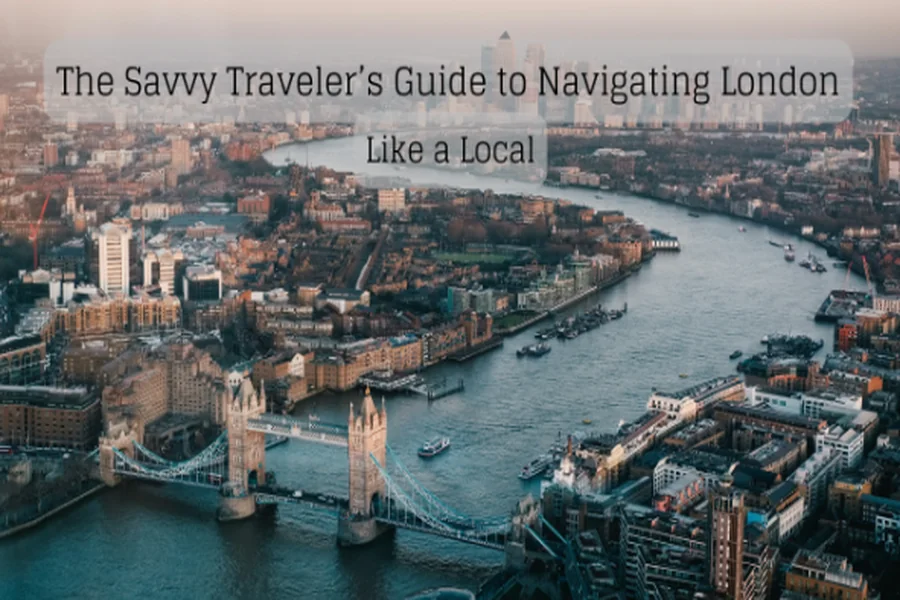
The Savvy Traveler’s Guide to Navigating London Like a Local
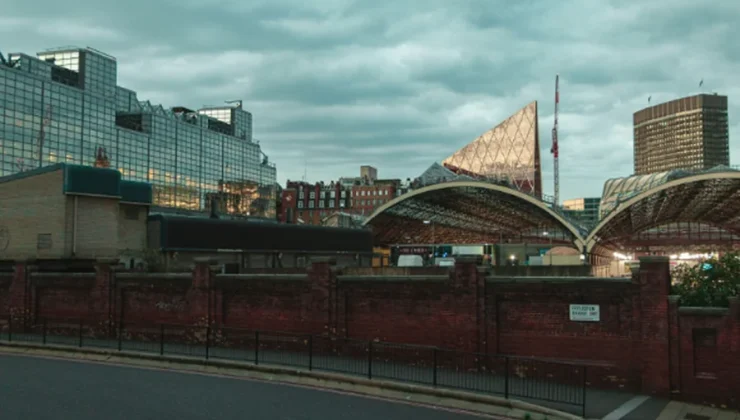
London is a city that rewards the curious. While the red buses and the silhouette of Big Ben are the calling cards that bring millions to the capital every year, the real magic of London lies in its layers. It is a city of “villages,” where a five-minute walk can take you from the glass-and-steel ambition of the City to the medieval proportions of a hidden churchyard.
However, the sheer scale of the city can be daunting. Navigating London “like a local” isn’t just about knowing which side of the escalator to stand on (the right, always); it’s about mastering the logistics of a metropolis that is constantly in motion. To truly experience London without the “tourist” friction, you need a strategy that prioritizes flow, flexibility, and comfort.
Master the Transit Matrix
The Underground, or “the Tube,” is the lifeblood of the city, but locals know that the fastest route isn’t always a straight line on the map. The iconic Harry Beck tube map is a masterpiece of design, but it isn’t geographically accurate. For example, walking from Leicester Square to Covent Garden takes about four minutes, often quicker than descending into the station and waiting for a train.
In 2026, the Elizabeth Line was fully integrated into the rhythm of the city, offering a spacious, air-conditioned alternative for east-west travel. If you are heading in from Heathrow or traversing toward Canary Wharf, it is almost always the superior choice. For a more scenic perspective, don’t overlook the Thames Clippers (Uber Boat). While slightly more expensive than a bus, it offers the best views of the South Bank and the Tower of London without the crowds of a traditional sightseeing cruise.
The Art of the “Gap” Afternoon
One of the most common travel hurdles in London is the “check-in gap.” Whether you’ve arrived on an early flight at Heathrow or a morning coach at Victoria, there is often a four-to-five-hour window before your hotel or Airbnb is ready. In a city built for walking, dragging a suitcase over the cobblestones of Covent Garden or through the narrow aisles of a Chelsea cafe is the quickest way to feel like a frustrated outsider.
The professional move here is to unburden yourself immediately. Rather than trekking across town to drop a bag at a hotel concierge only to trek back to the center, savvy travelers utilize the network of local businesses that act as secure points for your gear. For instance, if you find yourself landing at the major transport crossroads of the West End, you can store bags with Radical Storage at a verified local shop. It’s a seamless process, usually managed via a quick QR code on your phone, that costs roughly the price of a pint of ale. Being “hands-free” changes the entire psychology of your arrival; suddenly, you’re free to duck into a historic pub or browse a boutique bookstore without the physical and mental weight of your luggage.
Beyond the “Top 10” Sightseeing List
Once you’re unburdened, skip the heavy-traffic zones of Oxford Street and Piccadilly Circus. To find where the city actually breathes, head to the edges.
- Marylebone High Street: Often overshadowed by its neighbor, Oxford Street, Marylebone offers a more curated, village-like atmosphere with incredible independent delis and the world-famous Daunt Books.
- The Bermondsey Beer Mile: For a modern taste of London, head south of the river on a Saturday. This stretch of artisanal breweries tucked into railway arches is where Londoners spend their weekends.
- Hampstead Heath: If you want the “classic” London view, skip the London Eye and take the Northern Line to Hampstead. A walk up Parliament Hill offers a panoramic vista of the skyline that feels much more earned.
3-day “Local’s Choice” Itinerary
Day 1: The Design District & Subterranean History
Morning: Southside Vistas & Subterranean Shelters Start your trip in South London. Rather than the crowded London Eye, head to Clapham South for a “Hidden London” tour of the WWII deep-level shelters. It’s an immersive trek through a mile of secret subterranean corridors. For breakfast, walk over to Abbeville Village for a coffee at a local independent deli.
Afternoon: The New Power Station Take the Northern Line extension to Battersea Power Station. While it’s a major landmark, locals come here for the riverside park and the “Lift 109” experience. For lunch, skip the chains and head to Control Room B for a cocktail in a setting that feels like a 1930s film set.
Evening: Live-Fire Dining in Soho Head into Central London for the evening. Avoid the “theatre menus” of Leicester Square and book a table at 10 Heddon Street. In 2026, it’s one of the city’s most acclaimed spots for live-fire cooking and natural wines, tucked away in a quiet courtyard just steps from the bustle of Regent Street.
Day 2: The “Village” Life (Marylebone to Hampstead)
Morning: The Most Beautiful Bookshop in the World Starts in Marylebone High Street. Visit Daunt Books, an Edwardian masterpiece with long oak galleries. It’s a quiet sanctuary compared to the chaos of Oxford Street. Grab a pastry at La Fromagerie nearby—a local favorite for artisan cheese and high-end groceries.
Afternoon: The Heights of Hampstead Take the Edgware branch of the Northern Line to Hampstead. This is London’s hilltop village. Wander through the Pergola and Hill Garden, a fading, overgrown Edwardian terrace that feels like a secret garden. For lunch, the Holly Bush is a classic 18th-century pub that feels worlds away from the city.
Evening: Sunset at Parliament Hill End your day with a walk across Hampstead Heath. The view from the top of Parliament Hill at sunset is the best free view in London—you can see the entire skyline, from the Shard to the BT Tower, without the crowds of a ticketed observation deck.
Day 3: Culinary Frontiers & East End Art
Morning: Beyond Borough Market While everyone else is fighting the crowds at Borough Market, head to Maltby Street Market (The Ropewalk). It’s set under Victorian railway arches and is much more “curated.” Try the legendary grilled cheese sandwiches or fresh oysters while watching the trains rumble overhead.
Afternoon: The Beer Mile & Modern Korean Walk the Bermondsey Beer Mile, stopping at independent breweries like The Kernel. Afterward, cross the river to Hackney. Visit Miga, a family-run modern Korean spot that has become 2026’s “must-visit” for London’s food scene. Its low-key, unassuming vibe is exactly how locals prefer to dine.
Evening: Shoreditch After Dark Finish your trip in Shoreditch. Instead of the main clubs, look for a “listening bar”—a trend that has exploded in 2026—where high-fidelity sound systems and curated vinyl take center stage over loud dance music. It’s the perfect, sophisticated end to a weekend in the capital.
Eat Like a Londoner: The New Food Rules
The days of London having “bad food” are decades in the past. Today, the city is arguably the culinary capital of Europe, but the best spots require a bit of foresight. In 2026, the trend has shifted away from the “grab-and-go” stalls of the overly crowded Borough Market toward more localized hubs like Maltby Street Market or Mercato Mayfair (set inside a stunning deconsecrated church).
A true local tip? Look for “Set Lunch” menus at high-end establishments. Many Michelin-starred restaurants in Mayfair and Soho offer two or three-course lunch menus that are a fraction of the dinner price, allowing you to experience world-class dining on a mid-range budget.
Practicality Meets Spontaneity
The secret to a successful London trip is a balance between a solid plan and the freedom to abandon it. The weather is famously fickle, but a sudden rain shower is just an excuse to duck into the National Portrait Gallery or a cozy basement jazz club in Soho.
By handling the “heavy” logistics early, like knowing your transit apps and finding a reliable place to tuck away your bags, you give yourself the greatest luxury a traveler can have: the ability to say “yes” to a spontaneous detour. Whether it’s an unexpected street performance on the South Bank or a hidden garden in the City, London is best seen when you aren’t looking at a map, and you certainly aren’t carrying a suitcase.