
Signs You Might Have a Ligament or Meniscus Injury
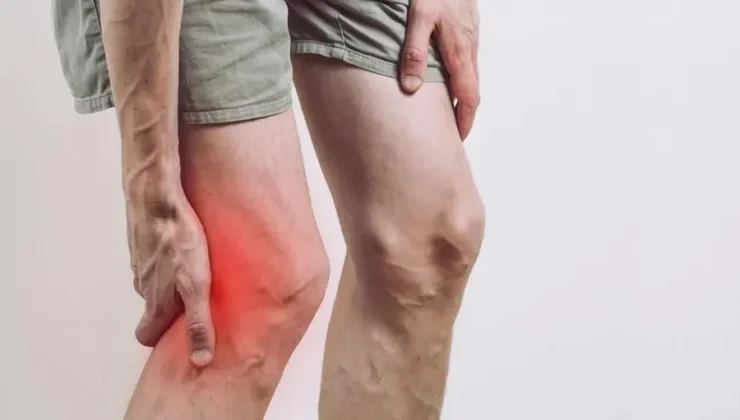
There is nothing quite like the feeling of moving freely, running, jumping, or simply taking a brisk walk. But when a sudden twist or awkward step leads to knee pain, that freedom can disappear quickly. Many people brush it off as a minor strain, hoping it will go away with rest. However, knee injuries are often more complex than they seem.
A torn ligament or a damaged meniscus can quietly limit movement and make everyday activities difficult. These injuries often begin with subtle signs, which are easy to overlook at first. Yet, paying attention early makes all the difference in preventing long term complications.
For anyone seeking clarity and a path to recovery, a trusted knee and sports injury clinic can offer expert guidance to understand what is happening under the surface and how to heal safely.
Understanding Ligament Injuries
Ligaments are strong bands of tissue that keep the knee stable. They work quietly in the background, letting the joint move while keeping it in place. When one of them stretches too far or tears, even simple movements can become painful or unstable.
Instability and the Feeling of Giving Way
One of the clearest signs of a ligament injury is a sudden feeling that the knee might give out. It often happens when walking downstairs or changing direction on the court. The sensation can be unsettling, like the joint cannot support weight for even a moment. This kind of instability often points to damage to the anterior cruciate ligament (ACL) or another key stabilizer in the knee.
Athletes know this feeling well, that unexpected wobble after a sharp move.. But ligament tears are not limited to athletes. They can occur from slipping on a wet floor or twisting suddenly when stepping off a curb. Recognizing the feeling early helps prevent further injury and unnecessary strain.
Swelling and Sudden Pain
Within hours of a ligament tear, swelling often appears. The knee may look puffy or feel tight, with warmth radiating from the area. This is the body’s natural response to internal injury, as bleeding from torn tissue causes inflammation. Pain can range from a dull ache to a sharp, deep discomfort that worsens when trying to bend or straighten the leg.
Ignoring these symptoms can make healing slower. Sometimes, patients report that the pain subsides after a few days, but the knee still feels unstable. Even if the swelling goes down, untreated ligament injuries may lead to weakness or arthritis later on.
Limited Range of Motion
A knee that refuses to bend or straighten as before can be a sign of serious internal damage. Ligament injuries often limit motion, making even simple actions like getting up from a chair or climbing stairs uncomfortable. People may unconsciously start altering their gait to avoid pain, which can strain other parts of the leg or hip. Over time, this compensation can cause new problems.
Rest is important, but relying only on it without medical assessment could allow scar tissue to develop in ways that make long term recovery harder. Understanding the extent of the injury through professional evaluation ensures the right approach to healing.
Identifying Meniscus Injuries
The meniscus is a crescent shaped cartilage inside the knee that cushions and supports the joint. It acts like a shock absorber, protecting bones from direct impact. When the meniscus tears, often due to a twist or sudden change in direction, it can cause deep discomfort that lingers quietly but persistently.
Popping Sensation and Locking
Many people describe hearing or feeling a “pop” when the meniscus tears. Afterward, the knee may click, catch, or lock when moving. This locking feeling occurs when a torn piece of cartilage gets trapped between moving parts of the joint, stopping it mid motion.
At first, this may be brushed off as stiffness, but frequent catching or popping sensations are red flags. These symptoms show that the joint’s natural alignment is off. Small tears can get worse over time, particularly if one continues daily activities without proper care.
Persistent Swelling and Pain Inside the Knee
Unlike ligament injuries, meniscus related swelling can appear gradually over one or two days. It is often accompanied by a mild but constant pain deep inside the joint. The discomfort tends to worsen when squatting, turning, or carrying extra weight. Sometimes, the knee feels fine at rest but becomes painful again with movement, creating a frustrating pattern of temporary relief.
People who experience these signs should pay close attention to how their knee feels during everyday motions like standing up or navigating stairs. If the discomfort returns repeatedly, it is usually not just overuse or fatigue, but may indicate a meniscus tear that needs proper evaluation.
When to Seek Professional Help
Knee injuries can be deceiving because minor discomfort does not always mean minor damage. A person can continue walking despite a partial tear, unaware of the long term consequences. Consulting a specialist ensures that what seems like a small problem does not become chronic.
Specialists use detailed physical exams and imaging to confirm whether the issue involves a ligament, the meniscus, or both. Early diagnosis allows for tailored treatment, sometimes through therapy and rest, sometimes through minor procedures to repair or strengthen the joint. The goal is not only to restore movement but to regain confidence in every step.
Visiting a clinic does not always lead to surgery. Many patients recover successfully with guided rehabilitation, targeted exercises, and lifestyle adjustments. What matters most is receiving clear information and professional support early enough to make recovery quicker and more complete.
Moving Forward with Care
The knee is one of the body’s most reliable joints, until it gets injured. When pain, swelling, or instability begin to interfere with daily life, the smartest approach is not to wait it out. Whether the problem stems from ligaments or the meniscus, these signs often indicate the knee needs attention and care.
Recovery takes patience, guided movement, and an understanding of what the knee needs to regain its natural strength. Those who take the first step toward professional evaluation give themselves the best chance to return to the activities they love without hesitation or ongoing discomfort.