Why do HVAC Inspections Include Blower Motor Amp Draw Analysis?
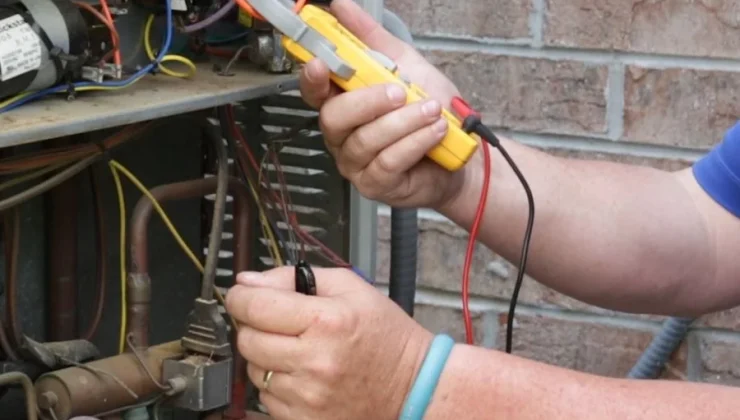
Blower motors do more than move air through ducts. They control how heat and cooling are delivered, how humidity is managed, and how hard the rest of the system must work to meet the thermostat setting. Because the blower runs for long hours throughout the year, small electrical or mechanical issues can escalate into major failures if left unnoticed. Amp draw analysis is included in HVAC inspections because it shows how much electrical current the blower is using under real operating conditions. That current reflects motor load, airflow resistance, and electrical health in a way that a quick visual check cannot. By measuring amp draw and comparing it to rated values and expected behavior, technicians can spot early signs of strain, overheating risk, and airflow problems that shorten equipment life and raise energy use.
What amp draw tells technicians
- Motor load reveals airflow resistance.
Amp draw rises when the motor works harder. In many homes, the blower is not failing because it is old, but because it is pushing against high resistance from dirty filters, clogged coils, restrictive grilles, crushed flex duct, or undersized returns. When airflow pathways are tight, the blower has to generate more pressure to move the same amount of air, and that extra work shows up as increased current. Technicians measure amp draw with the system running in heating or cooling mode and note the operating speed setting, because variable-speed systems may change current as they adjust airflow. They compare readings to the motor nameplate and to typical values for the equipment size. If the amp draw is elevated, the technician investigates the cause before assuming a motor problem. This matters because replacing a motor without fixing the restriction often results in the overload condition returning. Amp draw becomes a practical indicator that something in the airflow path is forcing the blower to work harder than it should.
- Early detection of overheating and electrical weakness
Amp-draw analysis also helps detect electrical conditions that can lead to motor overheating. Loose connections, failing capacitors in PSC motors, weak control relays, and poor voltage supply can cause motors to draw irregular current or run at inefficient torque levels. Voltage drop can make a motor work harder to deliver the same airflow, which can increase heat inside the windings. Technicians often measure supply voltage alongside amperage because the combination gives a clearer picture of true load and electrical stress. A contractor such as Elder Heating and Air may use amp draw trends to identify when a motor is approaching a failure point, even if it still runs today. Overheating signs can also appear indirectly, such as discolored wiring, warm motor housings, or an insulation smell, but amp draw provides measurable evidence that the motor is being pushed. Catching these issues during inspection can prevent sudden loss of airflow during peak heat or cold, when a blower failure becomes a safety and comfort problem.
- Confirming proper airflow settings and control behavior
Many modern systems use multiple blower speeds or variable-speed programming, and incorrect settings can cause comfort issues and durability problems. If a system is set to a speed that is too high for the duct design, static pressure increases, and noise rises, sometimes pushing the motor toward unnecessary load. If the speed is too low, coils can ice in cooling mode, or furnaces can run hot in heating mode, triggering safety trips. Amp draw helps technicians confirm that the blower is operating at the intended speed and that the control board is commanding the right profile. In variable-speed systems, technicians may check amp draw at different stages to see if the motor ramps smoothly and stabilizes as expected. Sudden spikes or unstable readings can point to control issues, sensor problems, or mechanical drag in the blower assembly. Amp draw analysis also supports commissioning after repairs, such as after coil cleaning or duct changes, because the technician can verify that the motor load has returned to a healthier range. This makes inspection data actionable rather than only descriptive.
Amp data prevents costly surprises.
HVAC inspections include blower motor amp draw analysis because amperage indicates how hard the blower is working and whether that load aligns with healthy operating conditions. Elevated amp draw often points to airflow resistance from filters, coils, returns, or duct restrictions, while irregular readings can indicate electrical weakness, voltage issues, or failing motor components. Amp data also helps confirm correct blower speed settings, identify mechanical drag in the blower assembly, and reduce the risk of overheating and nuisance shutdowns that lead to frozen coils or overheated furnaces. Because blowers run so frequently, amp draw trends also relate directly to energy use and long-term durability. By measuring and interpreting amperage during routine inspections, technicians can address root causes early and help systems deliver steady airflow without the hidden strain that shortens equipment life.