
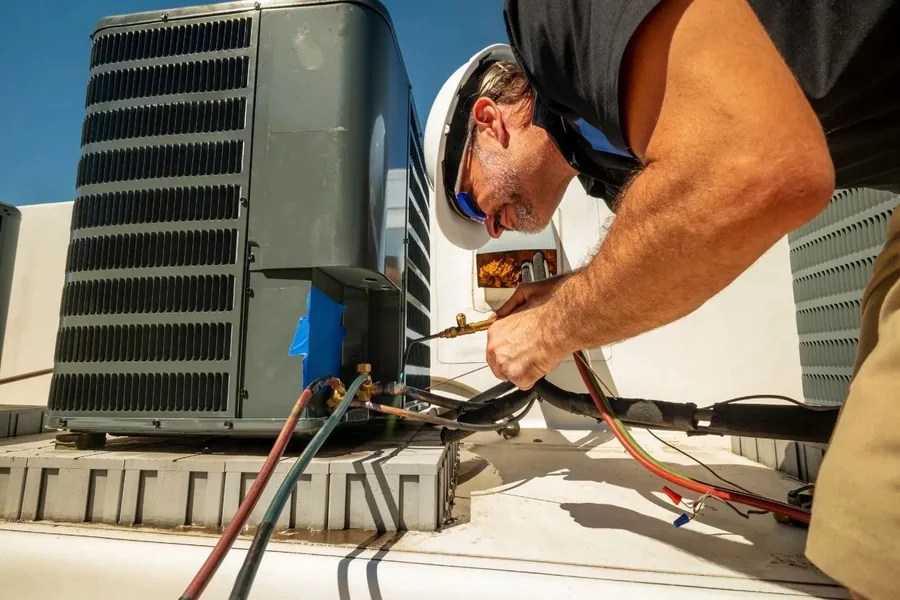
Replacing an HVAC system can feel like a clean reset, but contractors know a new unit does not automatically solve the underlying reasons a home struggles with comfort, humidity, or high utility bills. Many replacement jobs fail to deliver the expected improvement because the new equipment inherits old problems: leaky ducts, airflow restrictions, poor return placement, oversized design choices, or thermostat control issues that were never addressed. That is why contractors review system history before recommending replacement. They look at what has been repaired, how often breakdowns occurred, and whether the system’s performance problems are tied to the equipment itself or to the home’s layout and load patterns. History also shows how the system has been operated, maintained, and sized over time, helping guide smarter decisions on capacity, airflow design, and accessory needs. A careful review turns replacement from a reaction into a targeted plan that improves comfort and reduces repeat issues.
Replacing Smart, Not Just Fast
-
Service Records Reveal Patterns Behind “Random” Breakdowns
A homeowner might describe failures as unpredictable, but service records often reveal a pattern. Repeated capacitor replacements can suggest electrical stress or overheating at the outdoor unit. Frequent refrigerant top-offs may indicate a slow leak that went undetected, causing the system to run under strain for years. Multiple blower motor issues can indicate chronic high static pressure due to restrictive ductwork, clogged coils, or poor filter selection. Contractors review invoices, technician notes, and even repair dates to see if problems spike during extreme weather, which may indicate the system is operating at the edge of capacity. These details matter because they shape what should change during replacement. If history shows consistent freezing coils, the issue may be airflow, not just the refrigerant circuit. If a system short-cycled for years, the home may have been served by oversized equipment, in which case replacement should include a reassessment of the load rather than simply matching the old unit’s tonnage. Contractors who follow a structured process, including teams like B & E Services, use history to avoid repeating the same mistakes in a new installation. The goal is to replace the right causes, not just the visible symptoms.
-
Sizing and Load Assumptions Are Often Wrong the First Time
Many HVAC systems were sized using older rules of thumb or outdated assumptions about the home. Over time, homeowners make changes that alter loads, such as adding insulation, replacing windows, finishing a basement, converting a garage, or adding heat-producing appliances. A system installed years ago may now be oversized or undersized for the home’s current condition. Reviewing system history helps contractors see how the home behaved through seasons. If the system always cooled quickly but left humidity high, it may have been oversized and running short cycles. If the system ran continuously during moderate heat yet still failed to maintain the setpoint, it may have been undersized or constrained by duct limitations. History also shows whether comfort complaints were limited to certain rooms, which often points toward duct layout and balancing issues. Rather than matching the old size, contractors use historical runtime behavior, repair patterns, and owner complaints to justify recalculating load and designing the replacement to match current conditions. This leads to better comfort outcomes and fewer callbacks after installation.
Understanding the intricacies of an HVAC system’s history is crucial for contractors to make informed decisions about replacements. This comprehensive review allows them to identify recurring issues, assess the efficiency of past repairs, and determine the most suitable upgrades. By examining previous maintenance records, contractors can anticipate potential challenges and tailor their approach to meet specific needs. This proactive strategy not only ensures optimal performance but also extends the lifespan of the new system. For those interested in learning more about the importance of system history in HVAC replacements, you can read more to explore further insights and expert advice.
-
Ductwork and Airflow Issues Don’t Disappear With New Equipment
Replacing a furnace or air conditioner without evaluating ductwork is one of the fastest ways to create disappointment. Duct systems are the delivery network, and if they are undersized, poorly sealed, or poorly routed, a new unit will struggle in the same way the old one did. Contractors review history to understand airflow symptoms, such as noisy vents, weak airflow in distant rooms, hot upstairs bedrooms, or repeated limit-switch trips during the heating season. These signs often indicate high static pressure and restricted airflow, which can shorten equipment life and increase energy use. Service history also reveals whether techs repeatedly recommended duct repairs, coil cleaning, or filter changes that were not completed. Contractors may inspect duct leakage, return sizing, and supply balancing, then decide whether replacement should include duct modifications or added returns. They may also adjust blower settings and filtration choices to reduce resistance. Without this step, the new unit may be forced to operate under stress from day one, repeating the same failure cycle, even though the equipment is brand new.
In addition to understanding the system’s history, it’s crucial to consider the specific climate demands of your region. For instance, in areas like Browns Summit, where temperatures can fluctuate significantly, ensuring your HVAC system is optimized for both heating and cooling is essential. This is where a detailed review of past performance can guide necessary adjustments or upgrades. If you’re experiencing inconsistent heating, it might be time to consult a professional for a thorough assessment. A trusted local service can provide insights into whether a simple tune-up or a more comprehensive solution is needed. For those in need of immediate assistance, seeking out experts in furnace repair Browns Summit can ensure your system is ready to handle the seasonal shifts efficiently.
-
Moisture, Drainage, and Indoor Air Quality Clues
Comfort complaints often include humidity, odors, or inconsistent indoor air quality, and those issues are frequently tied to system history. If a homeowner has experienced recurring condensate drain clogs, water around the air handler, or musty smells after cooling cycles, it suggests drainage design and maintenance problems that should be corrected during replacement. Contractors also consider whether the home has had allergy complaints, dust buildup, or stale air, which can indicate filtration limitations, duct leakage pulling in attic air, or insufficient ventilation in a tight home. History matters because moisture issues can be seasonal and may not show up during a quick replacement estimate. A past history of high indoor humidity might point to oversized cooling equipment, poor airflow, or ventilation that brings in too much moist air. Contractors may recommend equipment with better humidity control features, add a whole-home dehumidifier, or adjust system controls to run longer, steadier cycles. Replacement is an opportunity to address these problems, but only if the history is understood and the design includes moisture management rather than treating it as a secondary concern.
-
Electrical and Control History Helps Prevent Repeat Failures
HVAC reliability depends on more than mechanical parts; it depends on stable electrical conditions and correct control behavior. Contractors review system history to see whether failures are tied to electrical stress, such as repeated contactor issues, burned wiring connections, tripped breakers, or compressor hard starts. These problems can be caused by weak components, high ambient heat, restricted condenser airflow, or voltage issues. Control history also matters. If the system short-cycles for years, the issue might be thermostat placement, incorrect staging settings, or a mismatch between equipment capacity and the home’s load. Reviewing previous thermostat replacements and service notes helps contractors decide whether to upgrade controls, add zoning, or use remote sensors to measure comfort where it matters. This reduces the risk that the new system will be installed correctly but controlled poorly, leading to uneven comfort and wasted energy. By addressing electrical integrity and control logic, contractors protect the new equipment from preventable stress and improve the home’s day-to-day feel.
In addition to understanding the system’s history, it’s crucial to consider the local climate and specific needs of the area. For instance, Portland’s trusted heating and cooling team emphasizes the importance of tailoring HVAC solutions to the unique weather patterns of the Pacific Northwest. This approach ensures that systems are not only efficient but also resilient against the region’s damp and variable conditions. By collaborating with experts who prioritize both historical data and local expertise, homeowners can achieve optimal performance and longevity from their HVAC systems. This comprehensive strategy ultimately leads to more informed decisions and greater satisfaction with the final installation.
-
A Replacement Plan Built From Evidence, Not Guesswork
When history is reviewed properly, replacement decisions become evidence-based. Contractors can explain why a specific capacity is appropriate, why duct modifications may be necessary, and why accessory components such as surge protection, improved filtration, or humidity control should be included. They can also identify what should not be repeated, such as installing the same oversized system or ignoring chronic duct leakage. Homeowners benefit because they can see a clear connection between past issues and the proposed solution. This also supports better budgeting, because the homeowner understands which parts of the project are essential for performance versus optional upgrades. A history-based plan often includes commissioning steps that verify airflow, temperature split, refrigerant charge, and static pressure so the new system starts life within safe operating ranges. It also establishes a maintenance path, addressing past neglect that may have contributed to early wear. Ultimately, the goal is not only a new unit but a better-performing system that corrects the conditions that made replacement necessary in the first place.
Understanding the intricacies of an HVAC system’s past can significantly impact the decision-making process for replacements. This historical insight allows contractors to anticipate potential issues and tailor solutions that enhance system longevity. For residents in Florida, where the climate demands efficient cooling systems, ensuring optimal performance is crucial. If you’re experiencing frequent breakdowns or inefficiencies, it might be time to consider professional assistance. For those in need of reliable service, seeking out ac repair jacksonville can provide the expertise required to maintain a comfortable home environment. By addressing these concerns proactively, homeowners can avoid unexpected failures and ensure their systems operate smoothly throughout the year.
System History Protects the Investment
HVAC replacement is one of the larger home expenses, and reviewing system history is how contractors protect that investment. Service records and past performance reveal patterns that explain why breakdowns happened, why comfort was uneven, and why energy use may have been high. History guides better sizing decisions, highlights ductwork and airflow limitations, and uncovers moisture and control issues that a new unit alone cannot fix. It also helps prevent repeat electrical and cycling failures that can shorten the life of new equipment. When contractors use history as a planning tool, replacement becomes more than swapping boxes; it becomes a targeted correction that improves comfort, reliability, and long-term operating costs. Homeowners end up with a system that fits the home’s real needs, not the home’s past mistakes, and that is what makes the replacement feel worth it.