
How Dirty Coils Can Kill AC Efficiency — and How Repair Helps
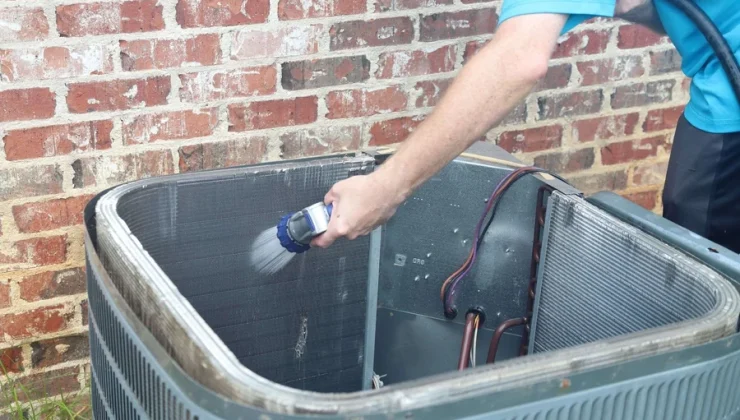
Air conditioning systems are engineered to transfer heat efficiently, maintaining indoor comfort even during peak summer temperatures. However, that efficiency depends heavily on clean and unobstructed components. Among the most critical parts of any cooling system are the evaporator and condenser coils. When these coils accumulate dirt, dust, debris, or biological growth, the system’s ability to absorb and release heat becomes compromised. Many homeowners underestimate how quickly coil contamination can degrade performance and increase operating costs. We will explore how dirty coils disrupt heat transfer, strain mechanical components, and inflate energy consumption—and how timely repair and maintenance restore performance, protect equipment lifespan, and reduce unnecessary expenses.
How Coil Contamination Disrupts Cooling Performance and Why Repair Restores System Balance
- Heat Transfer Breakdown and Reduced Cooling Capacity
Air conditioners operate on a simple thermodynamic principle: absorb heat from inside the home and release it outdoors. The evaporator coil absorbs indoor heat, while the condenser coil expels it outside. When dirt and grime coat these coils, they act as insulation, preventing proper heat exchange. Even a thin layer of buildup can significantly reduce thermal conductivity. As a result, the system must run longer cycles to achieve the same indoor temperature, reducing overall cooling capacity. Homeowners may notice weak airflow, inconsistent temperatures, or longer runtimes. Over time, this inefficiency compounds energy waste. Professional AC repair, such as the services provided by Lone Star Heating and Air, addresses this issue by thoroughly cleaning the coils and restoring surface exposure for proper heat transfer. Once cleaned, refrigerant can circulate efficiently, and the system regains its ability to cool effectively without excessive runtime.
- Increased Energy Consumption and Utility Costs
Dirty coils force the air conditioning system to compensate for reduced efficiency by working harder. When heat cannot transfer effectively, the compressor operates under extended load conditions, drawing more electricity. This increase in energy demand directly impacts monthly utility bills. Many households experience gradual cost increases without realizing the root cause lies within coil contamination. Because the system runs longer cycles, electrical components remain active for extended periods, amplifying wear. Repair services that include coil cleaning and system recalibration immediately reduce unnecessary strain. Once airflow improves and heat exchange normalizes, the system reaches set temperatures faster, shortening cycles and lowering energy consumption. The result is measurable savings over time and a noticeable improvement in performance stability.
- Compressor Strain and Mechanical Wear
The compressor is the core mechanical component of an air conditioning system, responsible for circulating refrigerant between the indoor and outdoor units. When coils are dirty, pressure imbalances can develop within the refrigerant cycle. The compressor must compensate for restricted heat dissipation, leading to overheating and elevated operating pressure. Prolonged strain increases the risk of premature failure, which is one of the most costly AC repairs a homeowner can face. Addressing dirty coils early prevents excessive mechanical stress. Repair technicians inspect refrigerant levels, clean the condenser surface, and verify that pressure readings fall within manufacturer specifications. By restoring system equilibrium, repair services reduce the likelihood of compressor burnout and extend the equipment’s operational life.
- Ice Formation and Airflow Restriction
A less obvious consequence of dirty evaporator coils is ice buildup. When airflow across the coil becomes restricted due to dust accumulation, the coil temperature can drop below freezing. Moisture in the air then condenses and freezes on the coil surface. Ice further insulates the coil, compounding inefficiency and restricting airflow even more. This creates a cycle where cooling performance steadily declines while internal strain increases. Homeowners may observe water leakage as ice melts during system shutdowns. Repair professionals resolve this by cleaning coils, clearing drainage pathways, and verifying blower performance. Proper airflow restores balanced evaporation, preventing recurring freeze-ups and stabilizing temperature regulation throughout the home.
- Indoor Air Quality Concerns
Dirty coils do more than reduce efficiency—they can affect indoor air quality. Moisture on evaporator coils creates an environment where mold and bacteria may develop if debris accumulates. As air circulates through the system, contaminants can disperse throughout living spaces. Individuals with allergies or respiratory sensitivities may experience discomfort as a result. Routine inspection and cleaning eliminate biological growth and debris buildup, improving overall air circulation hygiene. Repair visits often include checking air filters, blower assemblies, and condensate drains to ensure the entire airflow pathway remains clean. Restoring cleanliness at the coil level not only enhances cooling efficiency but also contributes to a healthier indoor environment.
- System Longevity and Preventive Maintenance Value
Air conditioning systems represent a significant financial investment, and their lifespan depends largely on maintenance consistency. Dirty coils accelerate component wear by forcing continuous overexertion. Electrical parts cycle more frequently, refrigerant pressures fluctuate, and internal temperatures rise beyond optimal design parameters. Over time, these stresses shorten equipment life. Preventive repair and maintenance services address coil cleanliness before performance deteriorates significantly. Technicians remove accumulated debris, inspect structural integrity, and confirm refrigerant balance. When routine servicing is prioritized, systems operate closer to original efficiency ratings and experience fewer unexpected breakdowns. The financial impact of proactive maintenance is typically far lower than emergency replacement or major component failure.
- The Role of Professional Repair Services
While some homeowners attempt surface cleaning of outdoor condenser units, effective coil restoration often requires professional tools and technical knowledge. Evaporator coils are located inside the indoor air handler and are not easily accessible without partial disassembly. Improper cleaning methods can damage delicate fins or introduce chemical residue that harms system components. Professional AC repair services ensure coils are cleaned safely using appropriate techniques and equipment. In addition to cleaning, technicians evaluate electrical connections, thermostat calibration, and refrigerant performance. Companies provide comprehensive inspections that address the root causes of inefficiency rather than treating symptoms alone. This systematic approach ensures sustainable performance improvements rather than temporary fixes.
Dirty coils may seem like a minor maintenance issue, but they can substantially impact air conditioning performance. When heat exchange surfaces become coated with debris, efficiency declines, energy consumption rises, and mechanical strain increases. Left unresolved, coil contamination can contribute to compressor damage, airflow restrictions, indoor air quality concerns, and shortened equipment lifespan. Through timely AC repair and preventive service, homeowners can protect their investment, maintain consistent comfort, and avoid unnecessary energy waste while extending the life of their cooling system.