

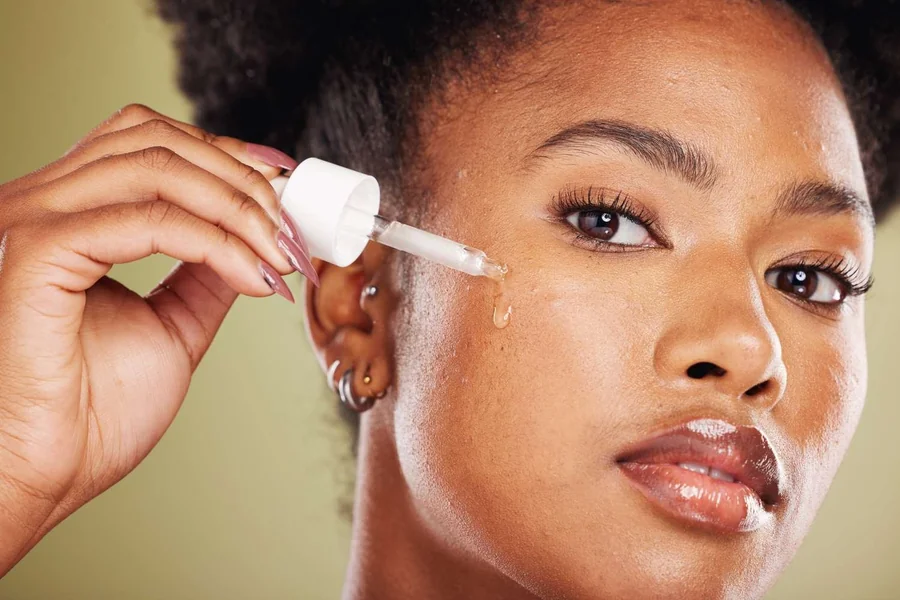
If you grew up believing oils automatically equal breakouts and greasy shine, it’s time to let go of that outdated fear once and for all.
Oils have never been the enemy of acne-prone skin. In fact, if your skin is always oily and stuck in a cycle of breakouts, it most likely suffers from a lack of proper nourishment, not excess. When you constantly dry out your skin by using harsh products, it responds by producing more oil. This only leads to more congestion and acne flare-ups.
Of course, that’s not to say all oils will work for everyone. The best essential oils for acne-prone skin are the ones that absorb well and don’t clog your pores, like the ones in this skin-friendly collection.
5 Best Oils for Acne Prone Skin
Below are a few essential oils for skin that are generally well tolerated by acne-prone skin:
Moringa Oil
Unlike heavier oils that sit on the surface, moringa oil absorbs quickly and doesn’t leave behind a greasy residue. Acne-prone skin tends to tolerate it well when used in small amounts.
Moringa oil contains fatty acids that help lock in moisture and support your skin barrier. By helping reduce dryness caused by over-cleansing or harsh exfoliation, this oil encourages a more even skin feel.
It also has excellent antiseptic and antimicrobial properties that prevent bacteria and dirt from collecting in the pores and reduce the risk of inflammation. As a result, your skin is less likely to spiral into cycles of excess oil and breakouts.
Apricot Oil
Apricot oil has a naturally soothing effect and is often recommended for acne-prone skin that reacts poorly to heavier oils or overly rich moisturizers. It contains vitamins A and E, which soften the skin and protect against environmental stressors. You can use it to treat active breakouts as well as post-acne blemishes.
This essential oil also contains high levels of oleic and linoleic fatty acids, which reduce moisture loss. Research shows that maintaining proper hydration helps regulate sebum production. When used sparingly, apricot oil can support a calmer complexion and help reduce the cycle of irritation and congestion common in acne-prone skin.
Black Seed Oil
Acne often comes with redness, swelling, and irritation, which can make breakouts more noticeable and uncomfortable. Black seed oil helps calm these reactions and supports the skin’s natural healing process.
It also helps unclog pores by clearing away excess oil and impurities that may lead to blackheads and pimples. Users also report that the vitamins and antioxidants found in black seed oil help improve the appearance of post-acne marks and scars over time. With consistent use, you can achieve clearer, smoother, and even-toned skin.
Pomegranate Oil
Pomegranate oil is a great option for treating active breakouts because it targets both bacteria and irritation. The vitamin C found in this oil helps clean acne-causing bacteria from the skin and prevent new pimples from forming. At the same time, it soothes discomfort like itching and sensitivity, keeping your skin feeling fresh.
Since pomegranate oil is non-comedogenic, you can use it regularly without worrying about blocking your pores. It also has a smooth, lightweight texture, which allows it to layer well with the rest of your skincare products.
Helichrysum Oil
Helichrysum has a long history as a medicinal plant, especially in ancient Greek healing practices. Today, it’s valued in skincare for its ability to calm inflamed skin and help manage acne breakouts. Its natural antibacterial action helps keep blemish-causing bacteria at bay.
In addition to calming active acne, helichrysum oil supports the skin’s repair process. When applied early to developing breakouts, it may help reduce irritation and promote faster recovery. Since it doesn’t clog pores, it’s a suitable option for acne-prone skin that needs targeted care.
Important Considerations for Using Oils on Acne-Prone Skin
Essential oils are concentrated, so it’s best to start slow. Always patch test a new oil on a small area of skin before applying it to your face. Use only a few drops at a time and avoid layering too many products at once, as this can increase the risk of irritation.
If you have sensitive skin, consider diluting essential oils before use. Apply them on clean, slightly damp skin for better absorption. If your skin feels irritated or uncomfortable, stop use and allow it time to recover.
Level Up Your Skincare Routine With the Best Oils for Acne Prone Skin
A clearer complexion is usually achieved by reducing stress on the skin. That means focusing on gentle cleansing, avoiding overuse of products, and choosing anti-acne essential oils. To be clear, the oils aren’t meant to replace cleansing or basic skincare but to support it.
Introduce one oil at a time and wait for your routine to work before switching products. Over time, you may notice fewer breakouts, less redness, and clearer-looking skin.