
Innovative Uses Of Artificial Plants In Modern Interior Design
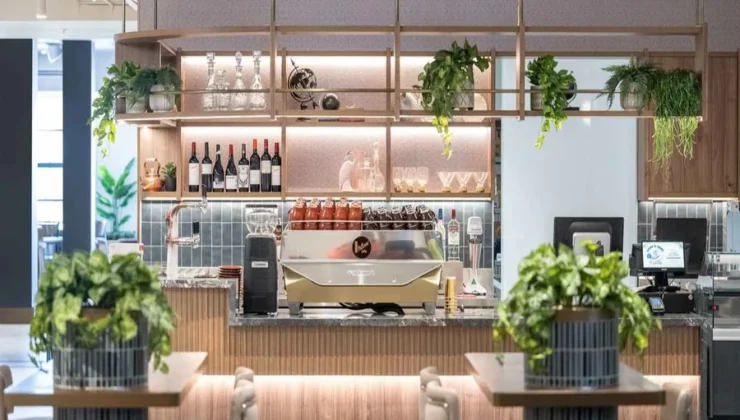
Why Artificial Greenery Fits Contemporary Living
Artificial plants have evolved into sophisticated design elements that mimic the texture, color variation, and organic nuances of real foliage. No longer reserved for only artificial-looking displays, today’s faux greenery is a practical alternative for busy homeowners, businesses, and interior designers. These lifelike creations thrive in places where live plants might struggle—such as windowless corridors, bathrooms, or large offices subject to fluctuating light and temperature conditions. Modern artificial plants deliver the visual softness and calming presence of greenery, making environments feel more inviting and lively. They also contribute to the psychological benefits often attributed to nature in interiors, helping to reduce stress and foster a sense of well-being even where traditional gardening isn’t possible.
Architectural Statements With Artificial Green Walls
A truly bold application of artificial plants is the full-height green wall or vertical garden. By layering various faux species, designers can introduce dramatic color gradients, textures, or striking geometric patterns onto expansive walls, columns, or even compact corners. Unlike their living counterparts, artificial green walls do not require irrigation infrastructure or specialist maintenance, making them a natural fit for challenging spaces like high-rise apartments, renovated industrial units, or commercial lobbies. Their practical advantages extend beyond aesthetics—these installations can help soften acoustics in echo-prone spaces and provide a backdrop that encourages relaxation or productive focus. Strategic lighting enhances their sculptural quality, making artificial green walls focal points in both residential and public settings.
Functional Decor: Room Zoning And Privacy With Faux Plants
The modern preference for open-plan living and working has led to innovative uses for artificial plants as functional space dividers. Instead of relying on solid partitions, tall faux trees and grouped planters establish visual boundaries between zones while preserving a sense of flow. For example, freestanding displays delineate eating, lounging, or work areas in homes and workplaces alike, creating less intrusive separations. Plant-filled shelving units, customized with trailing vines or dense foliage, offer a semi-transparent screen effect and keep light circulating freely. This approach also suits renters or those seeking flexible layouts, as artificial greenery can be easily rearranged or removed with seasonal or lifestyle changes. The adaptability of artificial plants lets designers refine spaces continually without limitations imposed by natural light or ongoing care needs.
- In studio apartments, use tall artificial trees to create gentle zones between sleeping and living areas.
- Arrange trailing faux greenery along open shelving to divide rooms while maintaining brightness.
- Group planters of varying heights to outline informal pathways in expansive interiors.
Creative Small-Space Solutions And Maintenance-Friendly Styling
Urban homes and compact offices benefit tremendously from artificial plants, particularly in rooms that receive little natural light. Interior designers use small faux arrangements above doors, around mirrors, or on narrow shelves to visually lift ceilings and inject a sense of vitality into enclosed or awkwardly shaped spaces. Maintenance is minimal—occasional dusting or a gentle wipe suffices—and there are no concerns about water damage, soil spills, or pests. Choosing just a few substantial pieces rather than many small accents ensures a clean and coherent aesthetic. The ability to select from a wide array of finishes and plant varieties helps artificial plants blend seamlessly with both contemporary and classic interiors. For those seeking inspiration or advice, resources such as https://fauxnatural.com/ showcase curated selections and styling tips, offering guidance for integrating artificial greenery in a way that feels authentic and intentional.
- Select large, statement faux plants over numerous smaller ones to keep spaces uncluttered.
- Pair planters with finishes that echo the room’s material palette.
- Keep a unified palette of greenery tones throughout the home to create harmony and flow.