

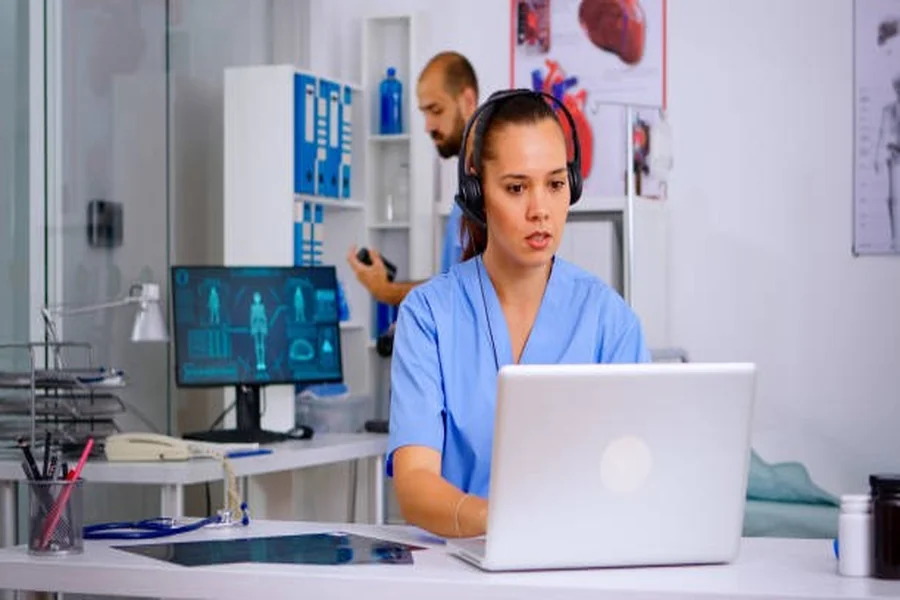
Modern problems need modern solutions. Running a clinic nowadays is about managing schedules, billing, documentation, patient communication, and compliance, all while keeping costs under control. For many practices, local hiring has become a major barrier to growth.
That’s why modern clinics are finding new ways to scale, without hiring locally.
Instead of adding more in-house staff, they’re building leaner, smarter teams by using remote human support. This shift isn’t about automation or replacing people with AI. It’s about using trained healthcare professionals who work remotely to handle essential operational tasks.
Let’s break down how this model works, and why it’s becoming the go-to strategy for growing clinics.
Scaling Clinics Without Expanding the Physical Team
Modern clinics are realizing that not every task needs to be done on-site.
Administrative and operational work, such as scheduling, insurance verification, EHR updates, and patient follow-ups, can be handled remotely by trained professionals specializing in healthcare workflows.
Instead of expanding office space or increasing payroll, clinics are reallocating resources more strategically.
The result?
- Lower operational costs
- Faster scaling
- Less pressure on in-house staff
What Healthcare Virtual Assistant Services Actually Are
There’s a lot of confusion around the term “virtual assistant,” especially with the rise of AI tools.
They are trained healthcare professionals who work remotely and integrate directly into a clinic’s daily operations. Many have backgrounds in nursing, medical administration, or healthcare support roles.
This is where healthcare virtual assistant services from providers come into play, offering clinics access to dedicated human assistants who understand medical systems, patient privacy, and clinical workflows.
Key Ways Clinics Are Scaling Without Hiring Locally
1. Reducing Overhead Without Cutting Corners
Remote healthcare assistants eliminate many costs associated with local hires:
- No office space required
- No equipment overhead
- No benefits or local payroll taxes
Clinics can scale support staff up or down based on demand, instead of committing to permanent local hires.
2. Accessing Specialized Healthcare Talent
Local markets don’t always have the talent clinics need.
Remote healthcare assistants are often trained in:
- EHR and EMR systems
- Medical billing and coding workflows
- Appointment scheduling and referrals
- Insurance verification and claims support
3. Improving Clinic Workflow and Efficiency
When administrative work is handled efficiently, everything else runs more smoothly.
Healthcare virtual assistants commonly manage:
- Patient scheduling and reminders
- Intake forms and documentation
- Chart updates and data entry
- Follow-up calls and messages
4. Reducing Staff Burnout and Turnover
Burnout isn’t just a staffing issue; it’s a business risk.
By offloading repetitive and time-consuming tasks to remote assistants:
- In-house staff feel less overwhelmed
- Clinicians regain focus and productivity
- Practices experience better retention
Happy teams deliver better patient experiences.
5. Supporting Growth Without Operational Chaos
Growth often exposes cracks in a clinic’s operations.
Remote assistants allow clinics to:
- Handle higher patient volume
- Extend communication hours
- Maintain service quality during expansion
Instead of scrambling to hire locally every time demand increases, clinics build scalable support systems.
Compliance, Security, and Trust Still Matter
One of the biggest concerns clinic owners have is data security, and rightly so.
Reputable healthcare virtual assistant providers ensure:
- HIPAA-trained staff
- Secure access protocols
- Clear accountability and oversight
- Compliance with healthcare privacy standards
This isn’t casual outsourcing. It’s structured, regulated, and designed for healthcare environments.
The Future of Clinic Scaling Is Hybrid
The most successful clinics aren’t choosing between local and remote teams; they’re combining both.
- On-site staff focus on patient-facing care
- Remote healthcare assistants manage operational support
- Leadership gains flexibility, control, and scalability
This hybrid model allows clinics to grow sustainably without being limited by geography or local labor shortages.
Final Thoughts
Scaling a clinic no longer means adding more desks, more payroll, or more stress.
By leveraging human-led healthcare virtual assistant services, modern clinics are:
- Reducing costs
- Improving efficiency
- Supporting staff well-being
- Delivering better patient experiences
And they’re doing it without hiring locally.