

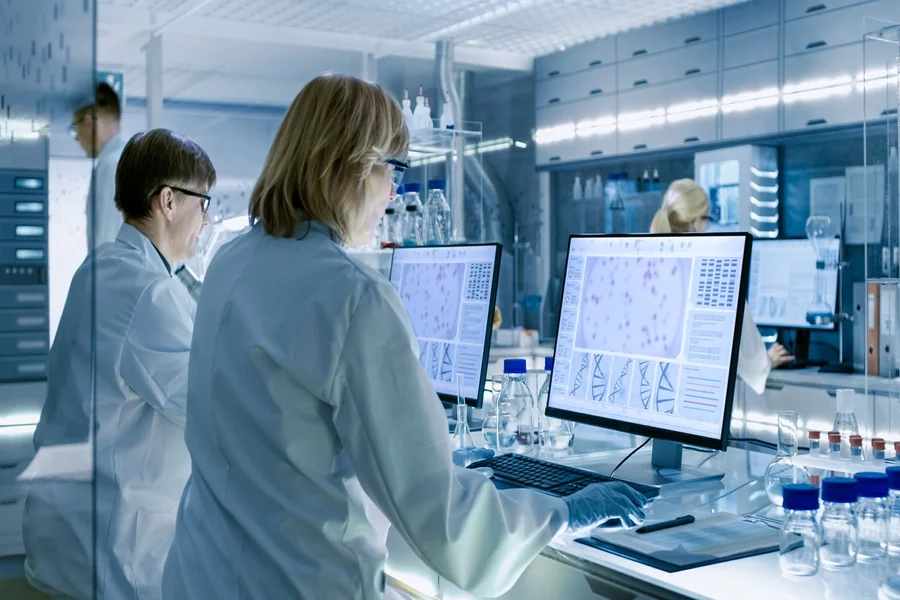
There was a time when school laboratories were dull, inflexible spaces that only encouraged manual skills using basic equipment. Then came modernization, transforming education labs into more dynamic and engaging student learning facilities.
Modernization makes research more interesting for students and educators. This article will analyze how these changes have enabled educational facilities to adapt to modern scientific needs.
Digital Integration
Modernization usually wipes away the traditional setup, but that is not true with modern laboratories. Since the conventional lab setup was effective and only needed revamping, modern laboratories focus on including innovative technology in what already exists.
For instance, labs now implement digital tools to speed up and streamline the research work. The online systems can share research findings with peers across the globe and allow them to verify the results. So, people buying equipment for academic laboratories should consider modern features such as digital integration.
Laboratory management software is another benefit of digitalization that makes it easy for administrators to manage inventory. Modern academic laboratories embrace equipment that supports automation, digital tracking, and cloud-based data storage, especially for sophisticated analytical techniques like the various types of chromatography methods.
Flexible Designs
As modernization continues, the overall lab design and protocols evolve. Therefore, modern labs are made with flexibility in mind. The lab spaces are reconfigured to easily handle any new systems or additions when necessary without expensive remodeling costs. The flexibility also allows the space to accommodate a larger group of students or multiple specialties.
These changes are important as they save the institutions from costly renovations and make it easier to adapt to new changes. Laboratories are also designed to withstand heavy use, even when packed to the rafters with researchers. However, the flexible design allows room for human interaction and group collaboration.
Robotic Use
Another significant change in modern labs is automation using robots. These labs use software to manage equipment and robots to operate with minimum human supervision. In turn, this helps improve efficiency and quality of research findings by reducing human errors. Robotics can minimize inconsistencies that used to happen in conventional laboratories.
Using robotics in the labs also prepares the students for future careers. The robotic lab serves as a ground zero for students to learn new skills and how to handle robotics or Artificial Intelligence. These skills can give them a competitive advantage and the confidence they need in the workplace.
Eco-Friendly Equipment
In this era, any institution that overlooks sustainability is behind the trends. The sustainability trend is widespread even among educational institutions. Modern laboratories are energy-efficient and have water-saving devices and waste reduction measures in place. This means that they do not waste resources or damage the environment.
The eco-friendly system in the laboratory is important as it not only teaches the students about responsible science practices but also aligns academic learning with global sustainability goals. The students get to understand the environmental impact of their work and how they can be a part of the solution in addressing these challenges.
As they conduct research, they put their knowledge and skills into practice. This expands their understanding and produces responsible students who value environmental conservation.
The transformation of academic laboratories reflects a broader shift toward innovation and efficiency. The new trends are helping to shape how future scientists are trained and the impact they will have. Institutions adopting modern trends equip students with the skills needed to excel academically and in a career in the increasingly technology-driven world.