

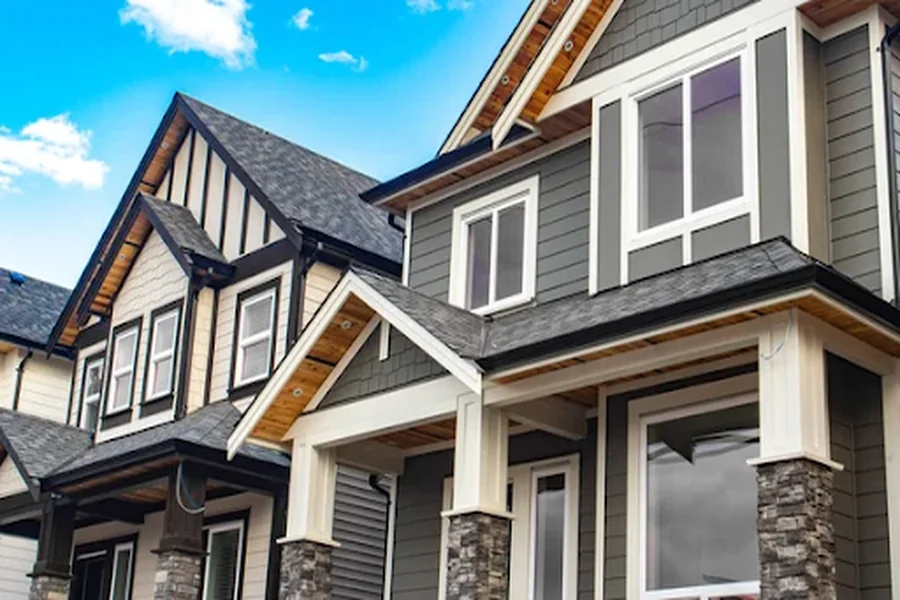
Building a duplex is an attractive option for homeowners and investors looking to maximise property value and rental income. A duplex offers the advantage of two separate dwellings on a single block of land, providing flexibility and potential financial benefits. Understanding duplex building costs is essential to planning effectively and avoiding unexpected expenses.
What is a Duplex?
A duplex is a residential building divided into two separate homes, each with its own entrance and living spaces. They are commonly constructed on a single block of land and can be either single-storey or double-storey. Duplexes are popular in urban and suburban areas where land is scarce, and property prices are high. They provide homeowners with the opportunity to live in one unit while renting out the other, offering an additional source of income or long-term investment potential.
Factors Affecting Duplex Building Costs
Several factors influence the overall cost of building a duplex in Australia. It is important to consider these elements to estimate your budget accurately. Key cost drivers include:
Location
The cost of constructing a duplex varies significantly across different states and regions. Metropolitan areas such as Sydney, Melbourne, and Brisbane typically have higher labour and material costs compared to regional or rural locations. Land prices also play a crucial role, as the value of the block of land impacts the total investment required.
Design and Size
The design and scale of the duplex directly affect construction costs. Larger duplexes with multiple bedrooms, bathrooms, and living areas will cost more to build. Custom designs with unique architectural features, high ceilings, and premium finishes can also increase expenses. Opting for a standard or modular design may help reduce costs without compromising on quality.
Construction Materials
Material selection is a significant contributor to building costs. High-quality materials such as brick, stone, and hardwood flooring are more expensive but offer durability and aesthetic appeal. Budget-friendly alternatives like fibre cement, vinyl, or laminate can lower upfront costs while maintaining functionality.
Labour Costs
Labour costs in Australia vary depending on the complexity of the project and the region. Hiring experienced builders and tradespeople ensures quality construction but can add to the overall cost. Efficient project management and clear planning can help reduce labour-related expenses by minimising delays and errors.
Permits and Regulatory Fees
Building a duplex requires obtaining permits and adhering to local council regulations. Costs for development approvals, building permits, and inspections should be factored into your budget. Compliance with planning regulations, fire safety standards, and environmental requirements is essential to avoid fines or delays.
Site Preparation
The condition of the land affects the cost of building a duplex. Uneven or sloped sites may require additional excavation, retaining walls, or soil stabilisation, increasing construction expenses. Utility connections, drainage systems, and landscaping also contribute to the overall cost.
Average Duplex Building Costs in Australia
While costs vary depending on location, design, and materials, the average cost of building a duplex in Australia typically ranges between $1,500 and $3,000 per square metre. Single-storey duplexes are generally on the lower end of this range, while double-storey duplexes with premium finishes sit at the higher end. For example, a 200-square-metre double-storey duplex could cost anywhere from $300,000 to $600,000 or more, depending on specifications and site conditions.
Investors should also consider additional expenses such as landscaping, fencing, driveways, and interior fittings. These costs can add up to 10-15% of the total construction budget and should not be overlooked during planning.
Cost-Saving Strategies
Building a duplex is a significant investment, but there are strategies to manage expenses without compromising quality. Choosing a straightforward design with minimal customisation can reduce construction complexity and labour costs. Selecting durable yet cost-effective materials helps maintain a balance between affordability and longevity. Engaging a reputable builder with experience in duplex construction ensures efficiency, potentially saving both time and money.
Another approach is to build on a block that already has essential services connected, such as water, electricity, and sewerage. This can reduce site preparation costs. Additionally, considering modular or prefabricated components may lower construction time and expenses while delivering a modern, high-quality finish.
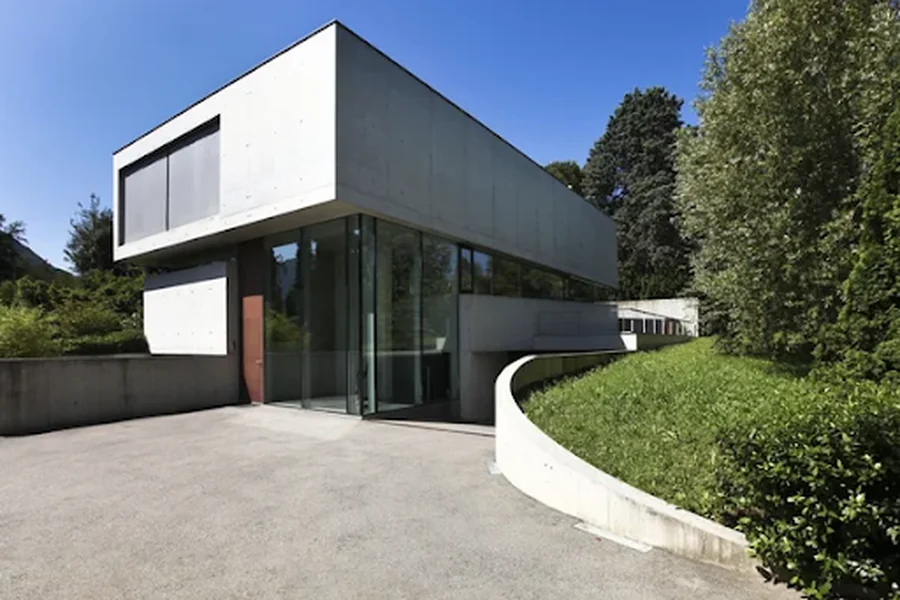
Financing a Duplex Project
Securing finance for a duplex project requires careful planning. Lenders often consider both units’ potential rental income and the borrower’s financial capacity. Construction loans are commonly used, providing staged payments based on project milestones. Understanding the lending process, interest rates, and repayment terms is essential to avoid financial strain during construction. Consulting a financial advisor or mortgage broker with experience in property investment can help structure a feasible funding plan.
Benefits of Building a Duplex
Beyond financial gains, building a duplex offers several advantages. It allows homeowners to maximise the use of available land and create additional living space for family or tenants. Duplexes often provide higher rental yields compared to single dwellings, making them a popular choice for property investors. Additionally, modern duplex designs can enhance neighbourhood aesthetics and increase the property’s long-term value.
Conclusion
Building a duplex in Australia is a smart investment that requires careful consideration of costs, location, design, and regulatory requirements. By understanding the factors that influence duplex building costs, homeowners and investors can plan more effectively and avoid unexpected expenses. Balancing quality construction with cost-saving strategies ensures that the project is both financially viable and structurally sound. With thorough planning, a duplex can provide a valuable asset that offers long-term income potential and lifestyle benefits.