

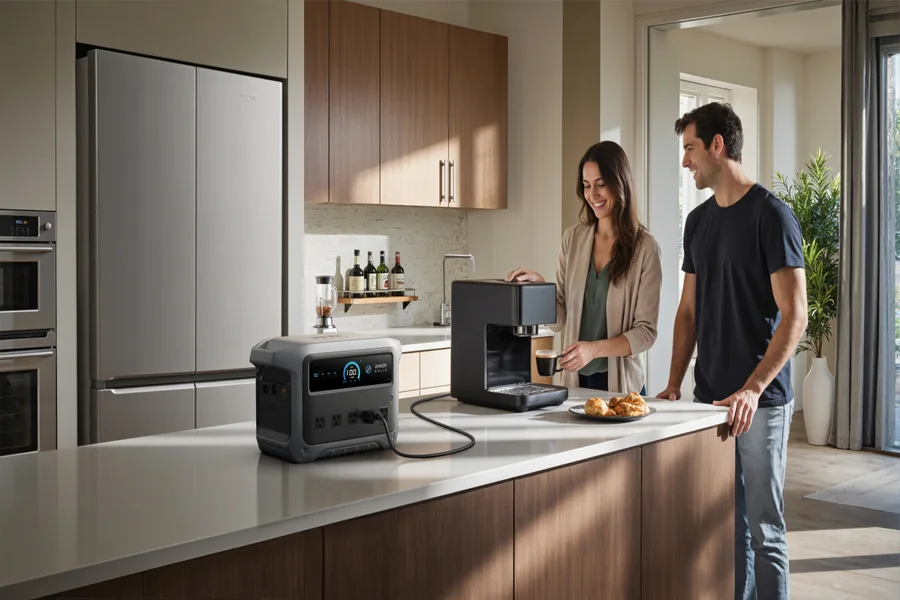
In today’s world, portable solar generators are quickly becoming a must-have for outdoor adventurers, emergency preparedness, and those looking to reduce their environmental footprint. Whether you’re planning a camping trip, preparing for a power outage, or just want a reliable off-grid power source, portable solar generators are the way to go. This guide will walk you through everything you need to know to make the best choice and get the most out of your solar generator.
What Are Portable Solar Generators and How Do They Work?
Portable solar generators are all-in-one portable power solutions designed to store solar energy and deliver electricity whenever and wherever you need it. They’re commonly used for camping, emergency backup, RV travel, and off-grid living—without relying on fuel or noisy engines.
A portable solar generator works by capturing, storing, and converting solar energy through three core components:
- Solar Panels: Collect sunlight and convert it into DC (direct current) electricity.
- Battery Storage: Stores that energy so it’s available even when the sun isn’t shining.
- Inverter: Converts DC power into AC (alternating current), making it compatible with everyday devices like phones, laptops, lights, and small appliances.
Once charged, the generator functions like a mobile power outlet, providing clean and silent electricity on demand. Whether you’re outdoors or dealing with a power outage at home, it offers a reliable alternative to traditional grid or fuel-based power sources.
Why Choose a Portable Solar Generator Over a Gas Generator?
Portable solar generators offer a cleaner, quieter, and more convenient alternative to traditional gas-powered generators. While gas generators rely on fuel and engines, solar generators provide reliable power using renewable energy—without the noise, fumes, or maintenance.
Key Benefits Compared to Traditional Gas Generators:
- Quiet and Emission-Free: Unlike gas generators, portable solar generators run silently and produce no exhaust fumes, making them safe for indoor use and ideal for camping and residential areas.
- No Fuel or Ongoing Maintenance: Solar generators don’t require gasoline, oil changes, or engine maintenance. They use free solar energy and are ready to use anytime without refueling.
- Safer for Emergency Use: Gas generators must stay outdoors due to carbon monoxide risks. Portable solar generators can safely power essential devices indoors during power outages.
- Lower Long-Term Costs: Although the upfront cost may be higher, solar generators eliminate fuel expenses and reduce maintenance costs over time.
- Eco-Friendly Power Solution: By using renewable energy, solar generators reduce noise and air pollution while supporting a more sustainable lifestyle.
Best Use Cases for Portable Solar Generators
Portable solar generators are versatile power solutions designed for a variety of everyday and off-grid scenarios, including:
- Camping & Outdoor Activities – Power phones, lights, cameras, and small appliances quietly without fuel or emissions.
- Emergency Power Backup – Keep essential devices like lights, routers, CPAP machines, and refrigerators running during outages.
- RV & Van Life – Support on-the-road power needs for laptops, fans, mini fridges, and cooking devices.
- Remote Work & Outdoor Events – Provide clean, silent energy for laptops, speakers, drones, and lighting equipment.
- Off-Grid Cabins & Sustainable Living – Store solar energy for essential household electronics or as a backup power source.
How to Choose the Right Portable Solar Generator for Your Needs
Choosing the right portable solar generator—or portable power station—depends on how much power you need, how you plan to use it, and how portable the system must be. Understanding a few key specifications will help you quickly narrow down the best option for your situation.
Determine Your Power Needs (Capacity & Output)
Capacity (Wh) determines how long you can run devices, while output (W) affects what you can power at once.
- 300–500Wh / ≤600W – Phones, lights, small electronics
- 500–1000Wh / 600–1800W – Laptops, CPAP machines, small refrigerators
- 1000Wh+ / 2000W+ – Full-size refrigerators, microwaves (short use), multiple devices
Tip: Choose about 20% extra capacity beyond your estimated needs.
Consider Portability and Weight
Portability plays a major role depending on how often you move the generator.
- Under 15 lbs (7 kg): Ultra-portable, easy to carry
- 15–30 lbs (7–14 kg): Portable enough for camping and travel
- 30–60 lbs (14–27 kg): Best for RV or vehicle-based use
- 60+ lbs: Designed for home backup, often with wheels
If you plan to carry the generator frequently, prioritize compact size and lower weight.
Charging Options and Charging Speed
A good portable solar generator should support multiple charging methods:
- Solar panels for off-grid power
- AC wall outlet for fast recharging
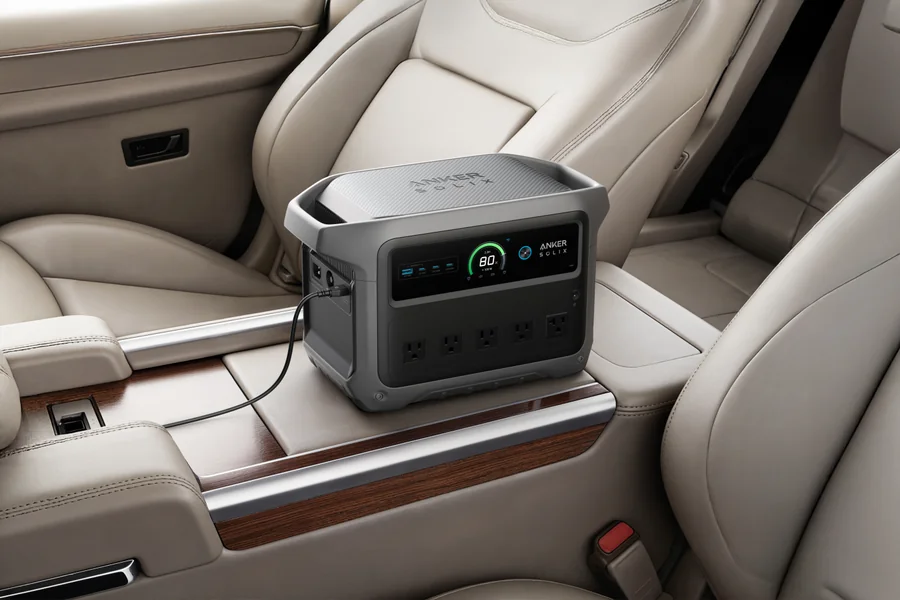
- Car charging for use while traveling
Faster charging means less downtime. Some models support rapid AC charging or higher solar input, which can significantly reduce recharge time.
Battery Type and Lifespan
Most modern solar generators use lithium batteries:
- Lithium-ion (Li-ion): Lightweight and compact
- Lithium iron phosphate (LiFePO₄): Longer lifespan, improved safety, and better long-term value
If durability and long-term use matter, LiFePO₄ batteries are generally the better choice.
Common Mistakes to Avoid When Buying a Portable Solar Generator
When choosing a portable solar generator, avoiding these common mistakes can help you make a smarter and more cost-effective decision:
- Focusing only on capacity (Wh) – High capacity doesn’t always mean better performance if the output (W) is too low for your devices.
- Underestimating charging time – Solar charging depends on panel size, sunlight conditions, and input limits, not just battery capacity.
- Ignoring battery type – LiFePO₄ batteries last significantly longer and offer better safety than standard lithium-ion options.
- Overlooking portability – A powerful generator may be impractical if it’s too heavy or bulky for your intended use.
- Not checking port compatibility – Make sure the generator has the AC, DC, USB-A, and USB-C ports your devices actually require.
- Buying with no future expansion in mind – Some models support additional solar panels or battery expansion, while others do not.
Recommended Portable Solar Generators — Anker SOLIX Series
If you’re ready to explore reliable and high-quality portable solar generators, the Anker SOLIX series offers a range of solutions designed for outdoor power, emergency backup, and off-grid use. Anker SOLIX products combine efficient solar energy conversion, durable portable power stations, and user-friendly features to help you stay charged wherever you go.
Why Choose Anker SOLIX Solar Generators?
- Efficient & Eco-Friendly: Designed to capture and store solar energy for use during outings, outages, or daily power needs.
- Portable & Versatile: Options range from lightweight, adventure-ready models to more powerful systems for RVs, home backup, or extended off-grid living.
- Built-In Safety & Warranty: SOLIX units include safety protections and typically come with long device warranties, offering peace of mind for long-term use.
Who They’re Best For:
- Outdoor Enthusiasts: Portable SOLIX units are ideal for camping, road trips, and outdoor events.
- Emergency Preparedness: Reliable backup power when the grid goes down.
- Everyday Off-Grid Power: From RV life to backyard gatherings, SOLIX generators offer flexible, quiet energy wherever you need it.
Explore the full range of Anker SOLIX solar generators to find the perfect fit for your power needs and lifestyle.
How to Maintain and Maximize the Efficiency of Your Portable Solar Generator
Proper maintenance helps extend battery lifespan, improve charging efficiency, and ensure reliable performance over time. Follow these best practices to keep your portable solar generator running at its best.
Tips for Extending Battery Life
- Avoid deep discharges: Recharge before the battery drops too low to reduce long-term wear.
- Store in a cool, dry place: Extreme heat or cold can accelerate battery degradation.
- Reduce unnecessary power drain: Turn off unused devices and use energy-efficient appliances whenever possible.
Optimizing Charging Times and Efficiency
- Use direct sunlight when solar charging: Position panels at optimal angles and avoid shading.
- Maintain an optimal charge range: Keeping the battery between 20–80% can help extend its overall lifespan.
- Use quality cables and accessories: Poor-quality cables can slow charging and reduce efficiency.
Conclusion
Portable solar generators are a fantastic solution for those seeking reliable, sustainable power for a variety of needs. Whether you’re planning a camping trip, preparing for an emergency, or just want to reduce your environmental footprint, a portable solar generator offers freedom and convenience. With the right model, you’ll always have a source of power when you need it most.
If you’re ready to explore the best options available, check out these portable solar generators and portable power stations to find the perfect fit for your needs.
FAQs
How long do portable solar generators last?
The lifespan of a portable solar generator depends on how often you use it and how well you maintain it. On average, you can expect a good generator to last anywhere from 5 to 10 years.
Can portable solar generators power an entire home?
While portable solar generators can power essential items like lights, refrigerators, and electronics, they’re generally not designed to power an entire home. For larger power needs, a larger home backup system may be required.
Are portable solar generators worth the investment?
Yes, portable solar generators are a worthwhile investment for those who want to reduce their reliance on traditional energy sources. They provide peace of mind during emergencies and offer a cost-effective, eco-friendly way to keep your devices powered up.