

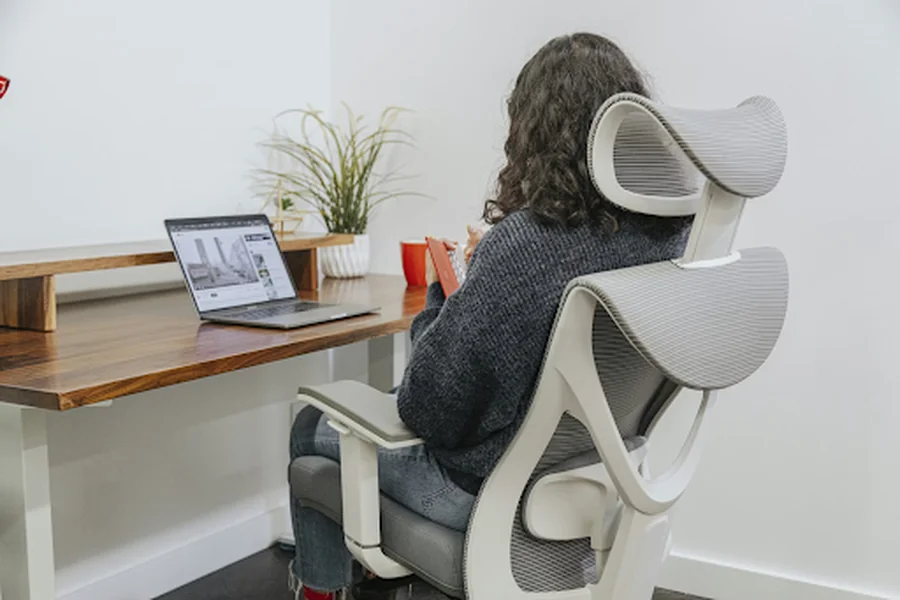
Maintaining proper posture contributes significantly to physical health, mental well-being, and performance. An ergonomic chair is designed to support natural spinal alignment, reduce physical strain, and promote comfort during extended periods of sitting. Aligning the spine correctly decreases strain on muscles and joints, helps prevent pain, promotes efficient breathing and circulation, and supports a confident presence in daily activities. Beyond physical health, correct posture can influence focus, energy levels, and overall efficiency during work or study periods.
Introduction to Ergonomic Chairs
Modern work routines often require long hours seated at desks, in front of computers, or attending virtual meetings. During these extended periods, ordinary chairs may fail to provide sufficient support, leading to discomfort, fatigue, and reduced concentration. Ergonomic chairs are specifically designed to address these issues. Drawing from principles of human anatomy and movement, these chairs adjust to the individual’s body structure, allowing the spine to maintain a natural curve and reducing unnecessary pressure on muscles and joints.
Features commonly found in ergonomic chairs include adjustable seat height, supportive lumbar cushions, reclining functions, and armrests positioned to relieve shoulder strain. Workspaces that integrate these chairs can improve employee well-being, reduce discomfort, and contribute to a more effective working routine. As work environments shift toward hybrid or remote setups, ergonomic seating has become a practical investment that can enhance both comfort and productivity.
How Chair Design Impacts Productivity
Seating that aligns with the natural posture supports both physical health and focus. Employees who experience less discomfort are less likely to feel fatigued, allowing them to concentrate on tasks for longer periods. A properly aligned body helps reduce interruptions caused by muscle strain or back pain, contributing to smoother workflow and higher overall efficiency. Productivity improvements are often observed not just in individual performance but also in team collaboration, as fewer physical distractions allow for clearer communication and engagement.
Understanding Good Posture
Definition and Benefits
Good posture involves the natural alignment of the spine, shoulders, and hips, creating balance throughout the body. Maintaining this alignment reduces tension in muscles and ligaments, improves lung function, supports digestion, and can influence mood and self-assurance during interactions or presentations.
Risks of Poor Posture
Sustained poor posture may result in chronic back, neck, and shoulder pain. Restricted breathing, reduced circulation, and muscular fatigue are common consequences, with long-term effects including musculoskeletal disorders and diminished overall health. This decline can also impact productivity, as discomfort and low energy hinder focus and performance.
Posture and Work Efficiency
Proper posture enhances concentration and energy management, allowing tasks to be completed more effectively. When the body is positioned naturally, individuals experience less strain and can sustain attention for longer durations, which contributes to improved task completion and overall efficiency.
How Ergonomic Chairs Support Posture
Design Features
Ergonomic chairs are designed to provide support that aligns with the body’s natural structure. Adjustable lumbar support cushions help maintain the lower spine’s natural curve, while seat depth and height adjustments allow users to keep feet flat on the floor and knees at a comfortable angle. Armrests reduce shoulder tension and support correct upper body alignment.
Scientific Basis
The development of ergonomic seating relies on research in anatomy, biomechanics, and occupational health. Chairs that distribute weight evenly, support the spine, and promote natural movements can reduce discomfort, prevent musculoskeletal strain, and contribute to overall well-being.
Promoting Long-Term Comfort
By encouraging a healthy sitting position, ergonomic chairs limit physical stress during prolonged work periods. Proper lumbar support and customisable features allow the user to adjust the chair to individual needs, resulting in sustained comfort and fewer interruptions from discomfort or pain.
The Effect of Comfort on Work Performance
Psychological and Cognitive Benefits
Seating that reduces physical discomfort has a direct influence on mental focus and satisfaction. When the body is well-supported, stress levels decrease, decision-making becomes clearer, and engagement with tasks improves. This effect enhances the overall work experience and contributes to a more productive environment.
Real-World Evidence
Studies in workplace ergonomics consistently demonstrate that investing in quality seating improves employee output. Organisations that provide chairs designed for proper support report reductions in absenteeism, fewer complaints of back pain, and higher task efficiency. Over time, these benefits accumulate, reflecting in consistent improvements in workforce performance.
Long-Term Advantages
Sustained use of ergonomic chairs helps prevent chronic conditions related to prolonged sitting, supports physical comfort, and allows for extended periods of uninterrupted focus. Employees or individuals who maintain good posture with supportive seating can experience ongoing improvements in both energy levels and overall output.
Selecting the Right Ergonomic Chair
Choosing a chair involves evaluating individual needs, work habits, and physical dimensions. Features to prioritise include lumbar support, adjustable seat height, reclining options, and armrest positioning. Testing different models helps identify which configuration aligns best with the body, supporting posture and reducing strain during extended use.
Using the Chair Effectively
Correct chair setup begins with adjusting seat height so that feet rest flat on the floor and knees are bent at roughly a right angle. The backrest should follow the natural curve of the spine, and armrests should support the arms without lifting the shoulders. Small adjustments to workstation elements, such as monitor height and keyboard placement, complement the chair’s support and reduce unnecessary tension.
Developing Healthy Sitting Habits
Integrating short breaks for movement and stretching maintains circulation and prevents stiffness. Remaining mindful of posture, shifting weight periodically, and using the chair’s adjustable features can support long-term comfort and physical well-being.
Combining Posture, Furniture, and Movement
The most effective strategy for sustained comfort involves a combination of correct posture, supportive seating, and regular physical activity. Together, these factors decrease the risk of pain or injury, increase focus, and support a balanced approach to daily work or study routines.
Conclusion
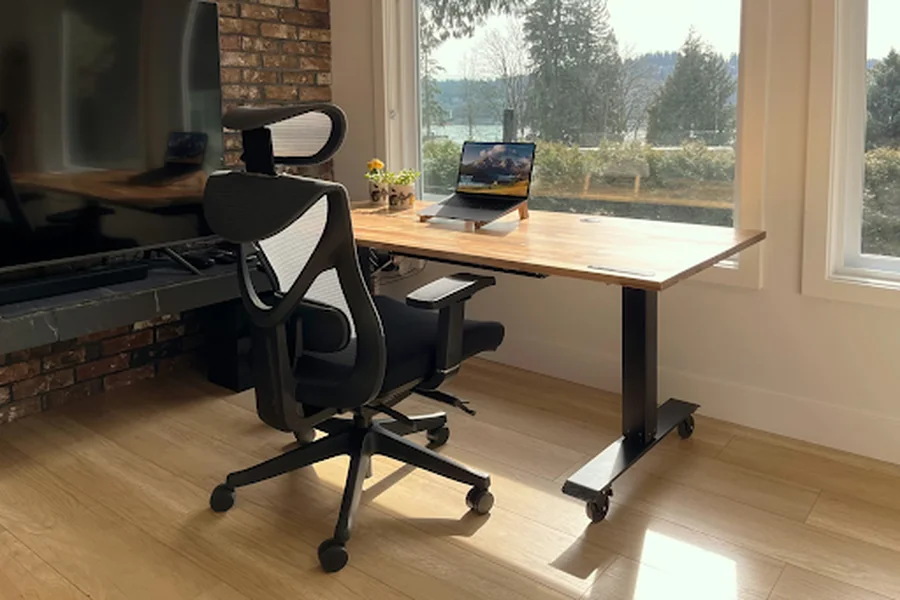
Ergonomic chairs offer a practical and effective solution for improving posture, reducing discomfort, and enhancing focus. By supporting natural alignment, promoting comfort, and accommodating individual body needs, these chairs contribute to both immediate well-being and long-term health. Integrating such seating into work or home environments supports sustained productivity, reduces physical strain, and encourages a healthier daily routine. Investing in an ergonomic chair represents a step toward maintaining both physical comfort and efficient performance, creating conditions where work can be completed with less fatigue and greater ease.